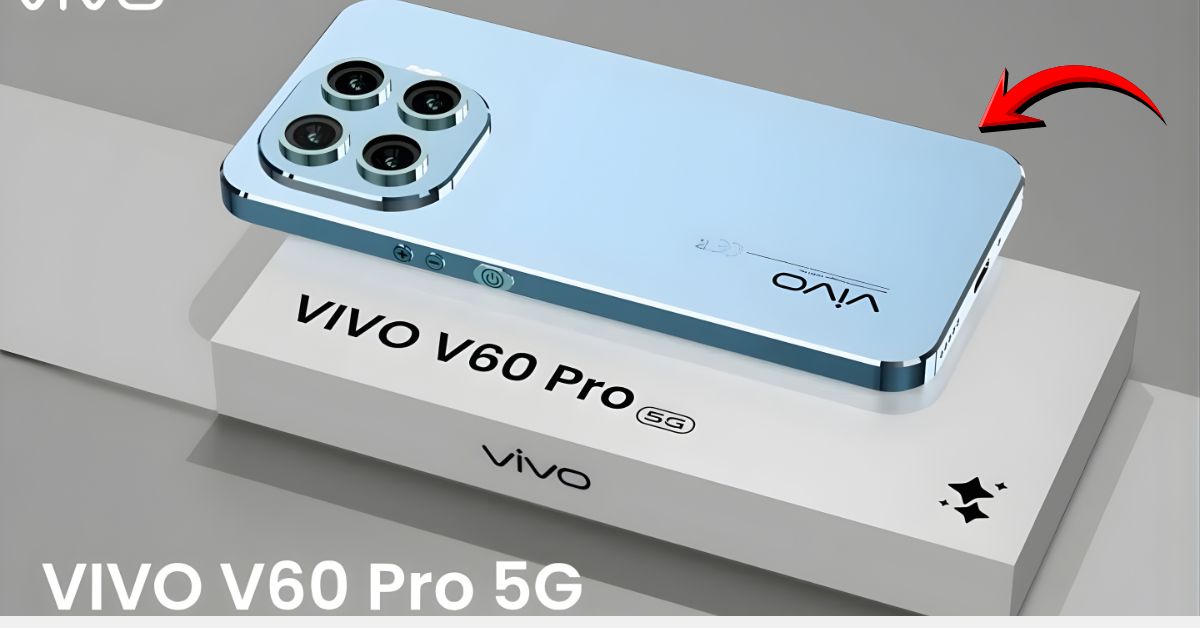
Only COD || Advance में ₹1 भी नहीं देना है
maruti-suzuki-e-vitara-2026-price-range-review-india

Maruti Suzuki Vitara e 2026: Launch Date, Expected Price in India, Range, Battery, Charging, Specs, Features, Variants, Safety & Booking Details

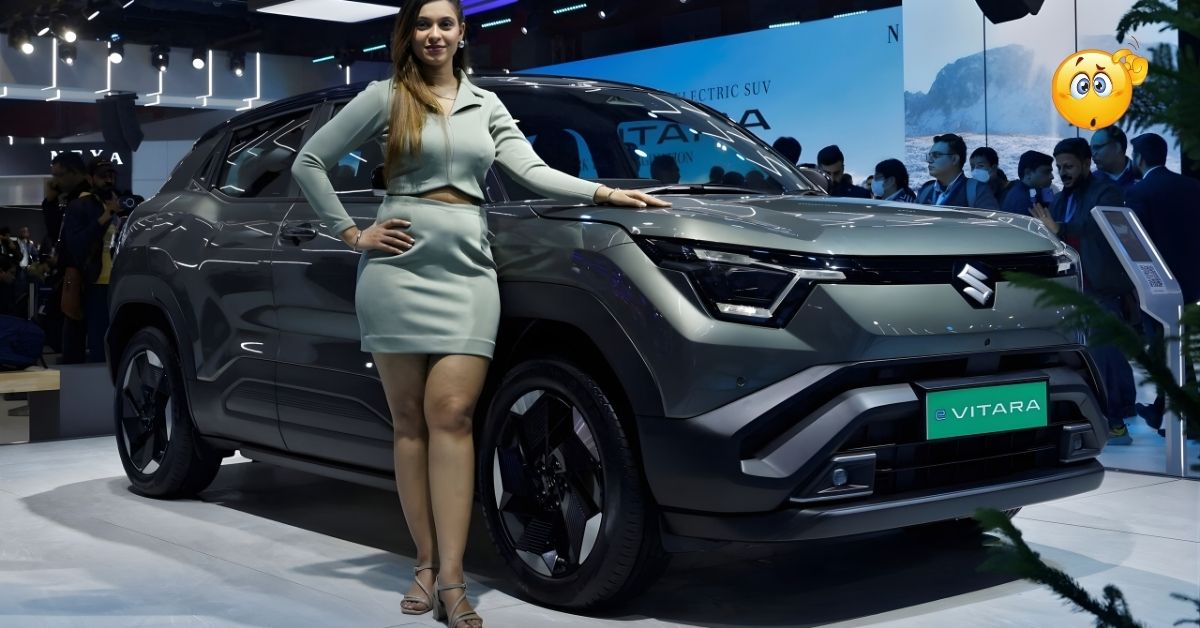
The “Kitna Deti Hai” king has finally gone electric. For years, Maruti Suzuki watched from the sidelines as Tata and MG dominated the EV space. But the real truth is, Maruti wasn’t sleeping; they were engineering a global product. The Maruti Suzuki e Vitara is not just an electrified Grand Vitara; it is a born-electric SUV built on the specialized HEARTECT-e platform.

Launched at an expected starting price of ₹17.00 Lakh (ex-showroom), it is aimed squarely at the heart of the Indian middle class. But with rivals like the Tata Curvv EV already establishing their territory, is Maruti “fashionably late” or just “too late”? From its surprising 5-star Bharat NCAP safety rating to the claim of a 543 km range, let’s see if this EV is truly worth your hard-earned money.
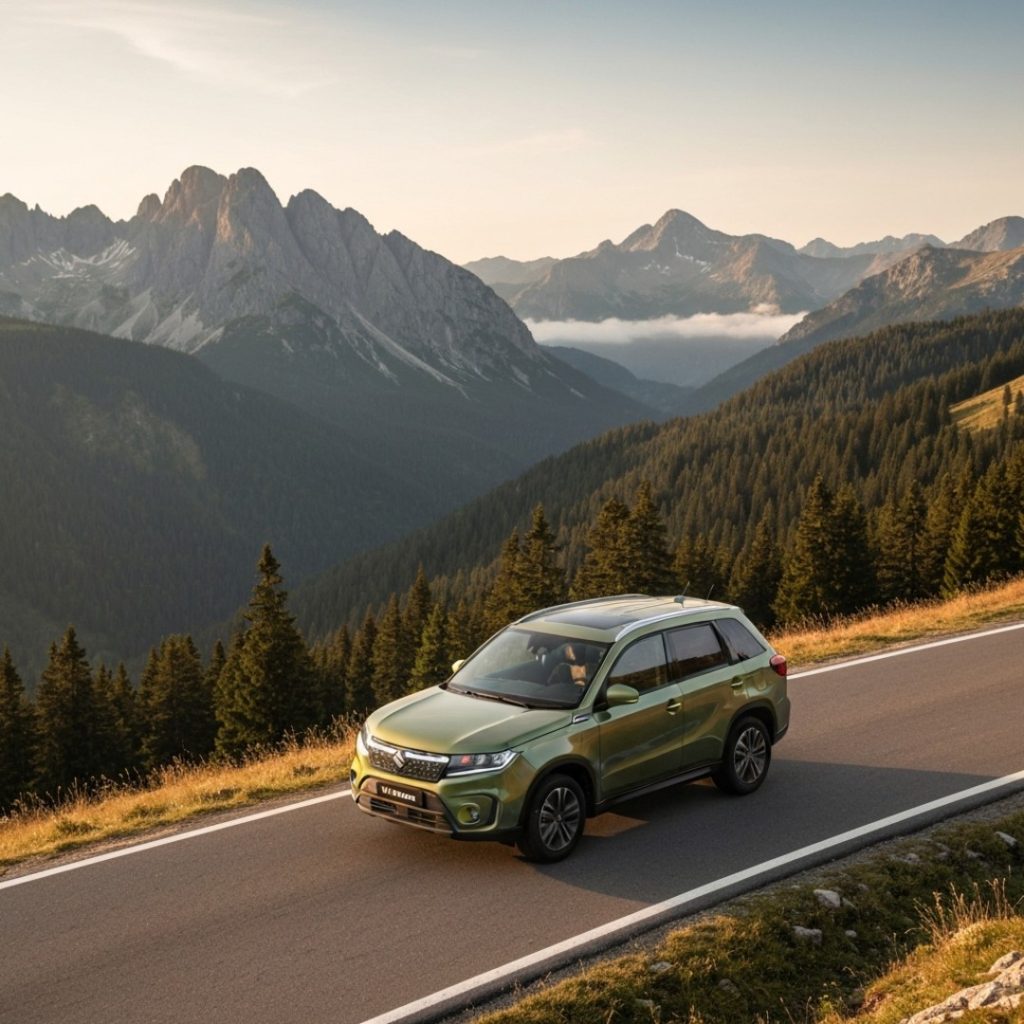
A cinematic front-angle shot of the Maruti Suzuki e Vitara in ‘Land Breeze Green’ being driven on a scenic elevated highway in Mumbai.

1. QUICK SPECS TABLE (Key Highlights)

Unlike petrol cars, EV specs are all about battery chemistry and motor efficiency. Here is the breakdown:

Feature49 kWh Variant (Delta)61.1 kWh Variant (Zeta/Alpha)
Battery TypeLFP (Blade Cells)LFP (Blade Cells)
Max Power142 BHP172 BHP
Max Torque189 Nm189 Nm (FWD) / 300 Nm (AWD Global)
ARAI Range443 km (Est.)543 km (Confirmed)
0-100 kmph~9.5 Seconds~8.9 Seconds
Ground Clearance180 mm180 mm
Wheelbase2700 mm2700 mm

2. EXTERIOR DESIGN & ROAD PRESENCE

The e Vitara looks like it belongs in 2026. It ditches the “Chrome-heavy” look of typical Marutis for a clean, aerodynamic silhouette. The front fascia is dominated by Y-shaped LED DRLs and a sealed-off grille that screams “EV.”

Does it turn heads? Yes, especially with its chunky 18-inch aerodynamic alloy wheels and thick body cladding. It has a “squat” stance that makes it look wider and more premium than the Grand Vitara. However, the rear-door handles are placed on the C-pillar (similar to the old Swift), which might be a polarizing choice for some.

Read more: Kia Seltos 2026
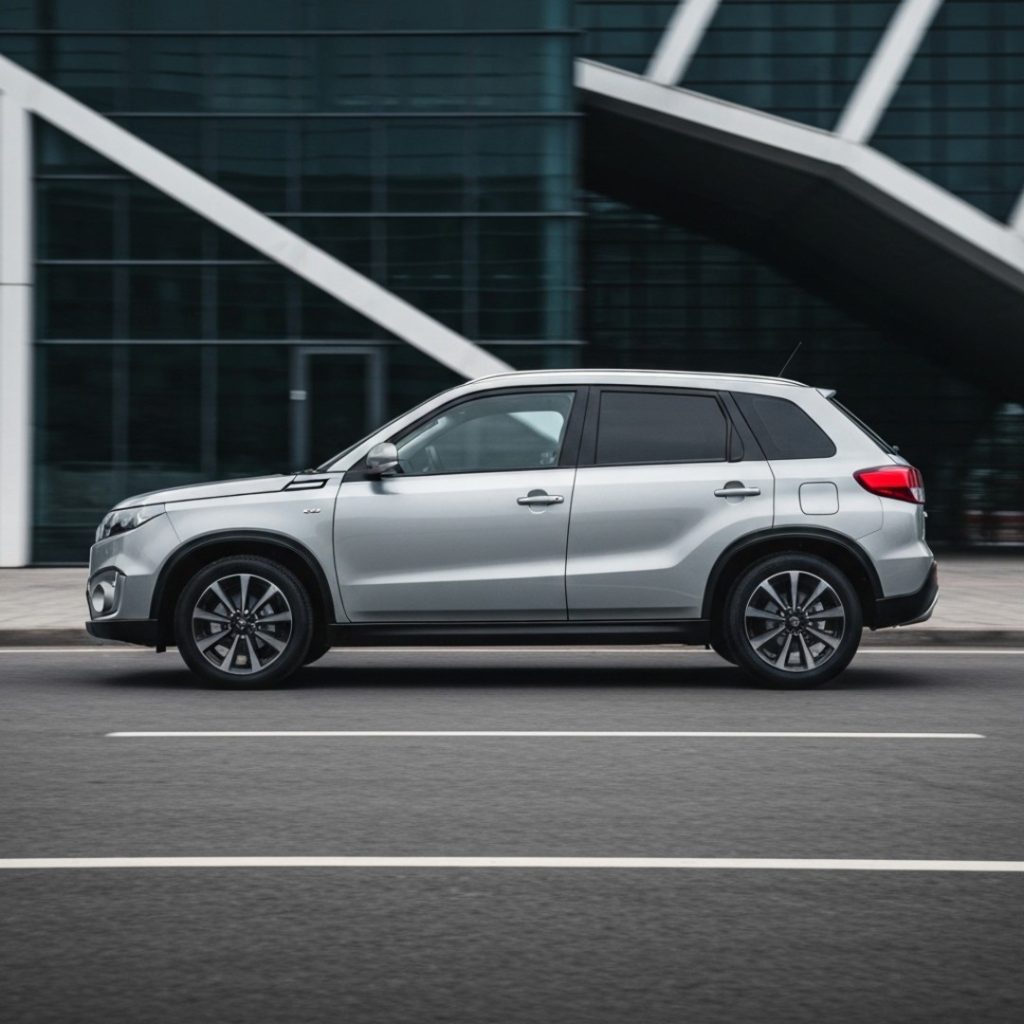
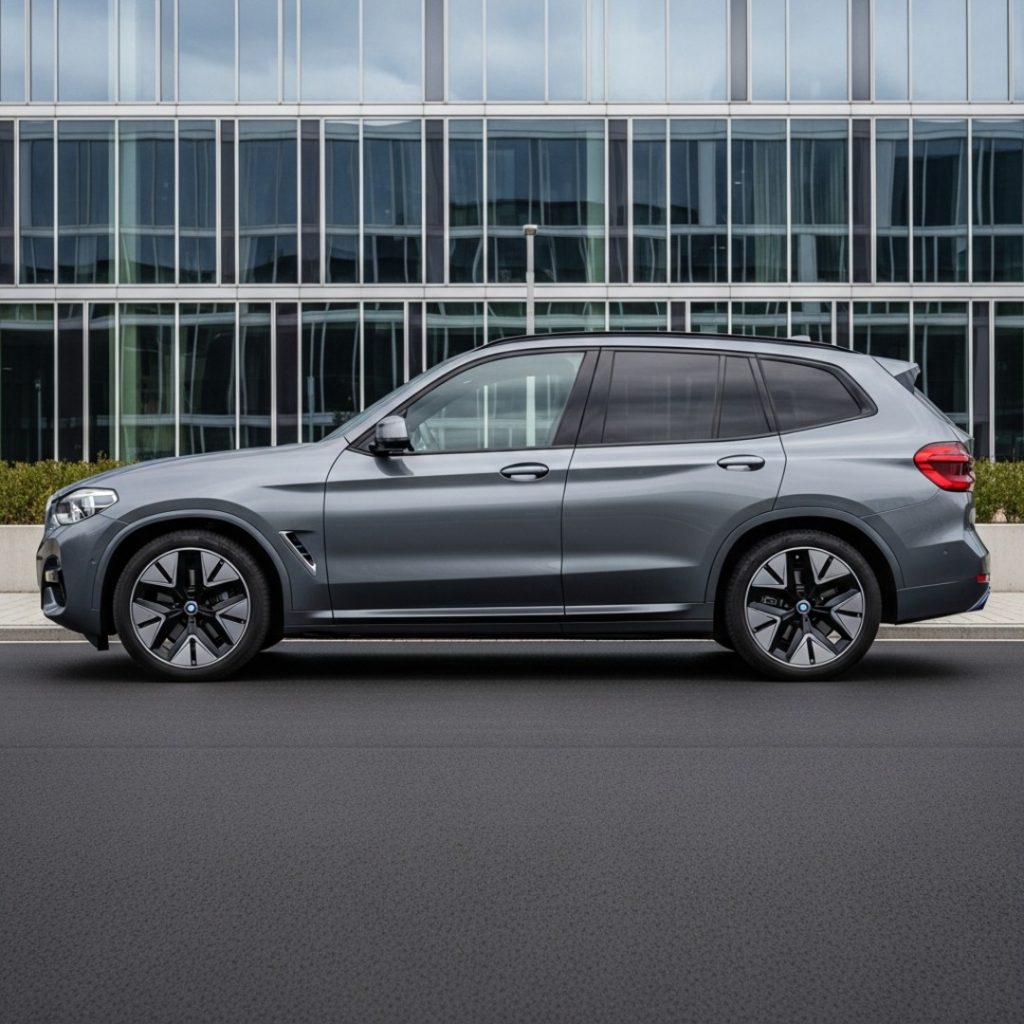
Side profile view of Maruti Suzuki e Vitara parked on a clean asphalt road 

3. INTERIOR, COMFORT & FEATURES

Step inside, and you’ll realize this isn’t your typical Maruti. The dashboard features a twin-spoke steering wheel and a massive integrated dual-screen setup (10.25-inch infotainment + 10.1-inch cluster).

  • Dashboard: You get a “Black and Tan Brown” theme. There are soft-touch materials on the dashboard, though some lower panels still use scratchy plastics.
  • Space: Thanks to the 2700mm wheelbase (longer than many rivals), the legroom is massive. Can 3 people sit at the back? Yes, but the middle passenger might find it a bit tight on shoulder room during long journeys.
  • Missing Features: While it gets a panoramic sunroof, ventilated seats, and a 10-way powered driver seat, it surprisingly misses out on a ‘Frunk’ (front boot), which many dedicated EVs offer.
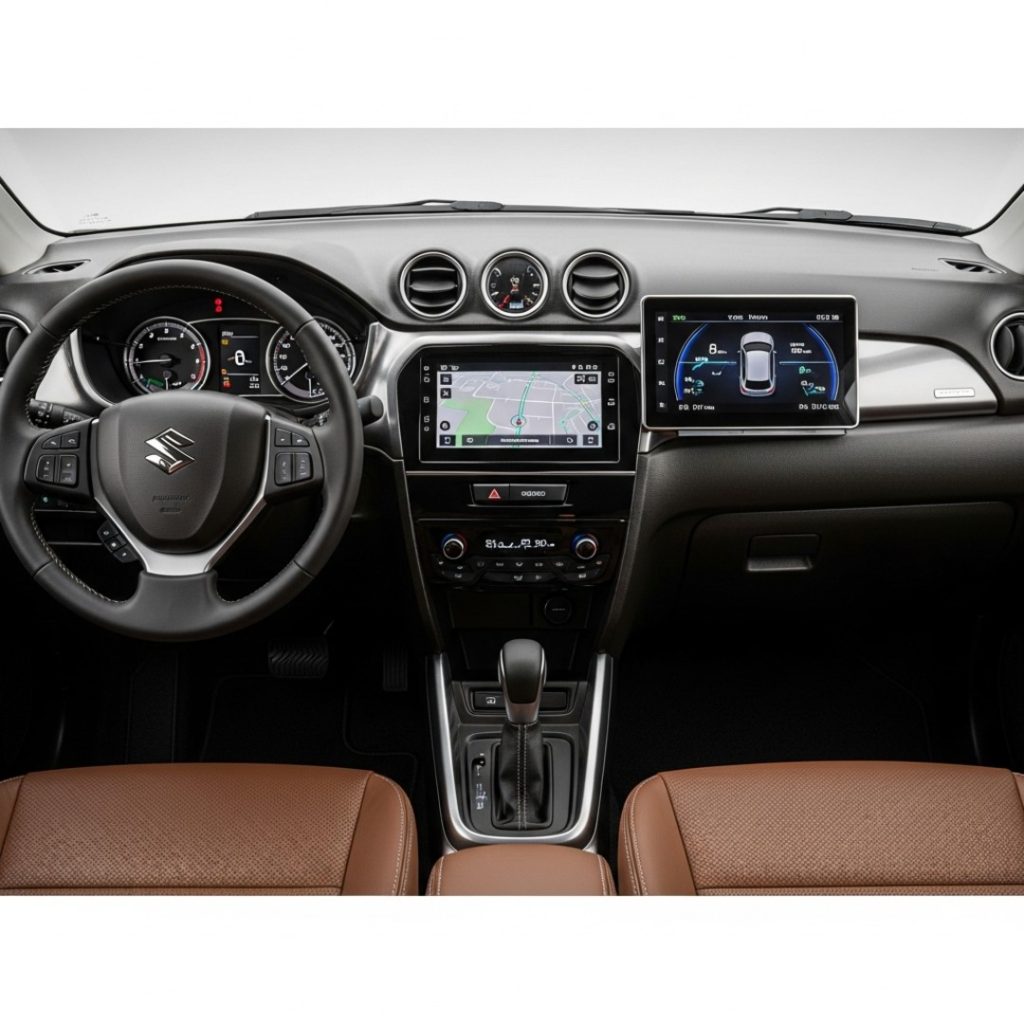
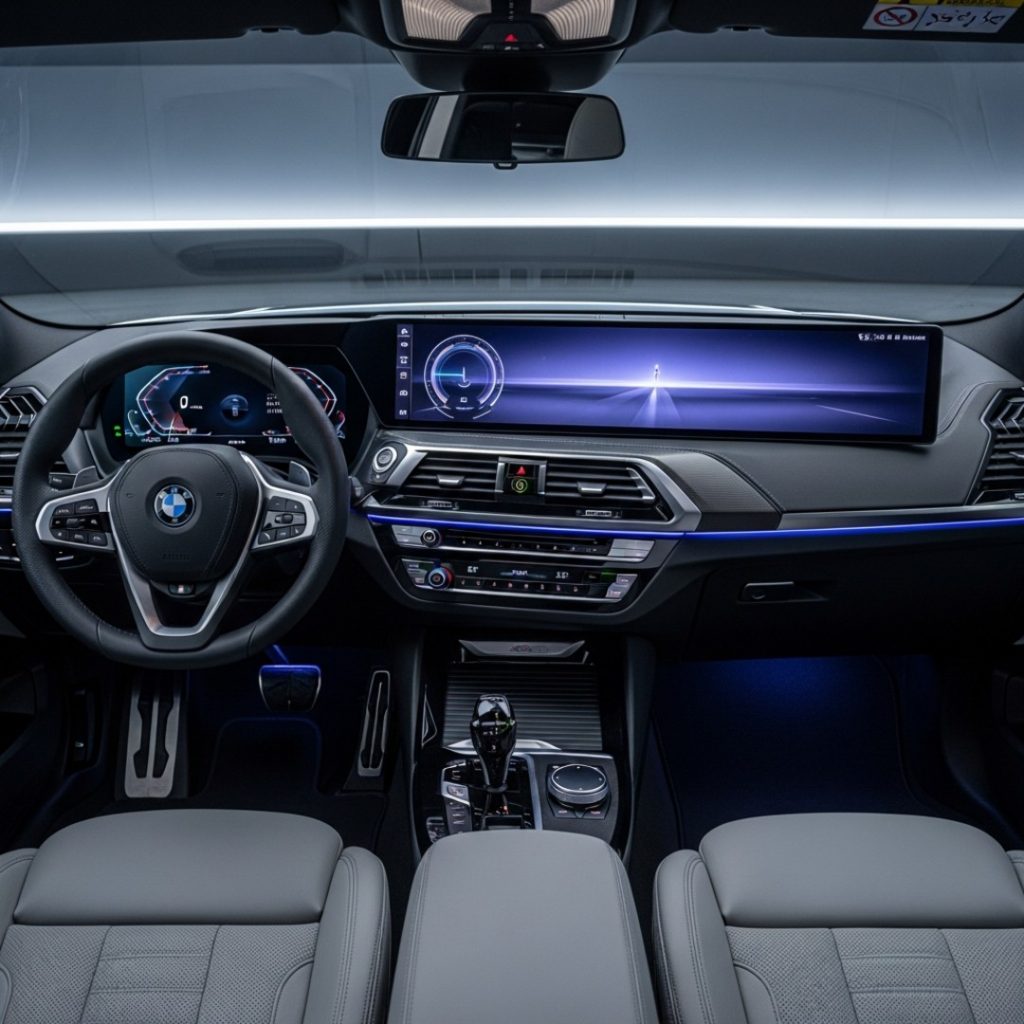
 Wide-angle interior shot of the Maruti Suzuki e Vitara dashboard. 

4. ENGINE PERFORMANCE & DRIVING DYNAMICS

  • City Drive: The e Vitara feels light and nimble. The steering is tuned for Indian cities—feather-light at low speeds. With one-pedal driving mode (strong regen), you can drive through Delhi or Bangalore traffic without touching the brake often.
  • Highway Drive: High-speed stability is impressive due to the low center of gravity (batteries are in the floor). It feels planted at 120 kmph, and body roll is minimal compared to the ICE Grand Vitara.
  • Suspension: It is tuned slightly on the firmer side to handle the battery weight, but the suspension absorbs potholes easily without that “thud” sound common in older Marutis.

5. SAFETY: The Game Changer

This is where Maruti has shocked everyone. The Maruti Suzuki e Vitara has scored a perfect 5 stars in Bharat NCAP crash tests.

  • Safety Suite: It comes standard with 6 Airbags, ESC, and All-Wheel Disc Brakes.
  • ADAS Level 2: The Alpha trim includes Adaptive Cruise Control, Lane Keep Assist, and Autonomous Emergency Braking. For a brand often criticized for build quality, the e Vitara is a massive statement of intent.

6. REAL WORLD MILEAGE (The Truth)

Maruti claims 543 km, but the real mileage in city traffic is quite different. EVs are sensitive to AC usage and driving styles.

Battery PackARAI ClaimedReal World (City)Real World (Highway)
49 kWh~440 km310 – 330 km270 – 290 km
61.1 kWh543 km380 – 410 km340 – 360 km

Pro Tip: If you drive at a constant 80-90 kmph on the highway, expect about 350 km of usable range from the larger pack. Anything above 100 kmph will drain the battery significantly faster.

7. THE COMPETITION: The Mid-Size EV Battle

The e Vitara enters a shark tank with the Tata Curvv EV and the MG ZS EV.

FeatureMaruti e VitaraTata Curvv EVMG ZS EV
Battery61.1 kWh55 kWh50.3 kWh
Range (Claimed)543 km502 km461 km
BNCAP Rating5 Stars5 Stars5 Stars (Global)
Service NetworkUnmatchedGrowingLimited

Winner: Maruti Suzuki e Vitara. While the Curvv EV is more stylish, Maruti’s 1,500+ EV-ready service centers and the slightly larger battery pack give it the “Peace of Mind” edge that Indian buyers crave.

8. FINAL VERDICT

Buy it if:

  • You want the most reliable EV ownership experience with Maruti’s service backup.
  • You prioritize safety—it’s the safest Maruti ever built.
  • You need a spacious family SUV with a usable 350+ km real-world range.

Skip it if:

  • You want an aggressive, sporty driving experience (It’s linear, not explosive).
  • You want a “tech-heavy” cabin with massive screens like the Mahindra XEV 9e.
  • You are on a tight budget (Wait for the WagonR Electric instead).

Score: 8.5/10

9. FAQs (People Also Ask)

Q1: What is the on-road price of Maruti e Vitara in Delhi?

Expected on-road prices will range from ₹18.5 Lakh to ₹24 Lakh, depending on the state subsidies and road tax waivers for EVs.

Q2: Is there a CNG option for the e Vitara?

No. The e Vitara is a pure electric vehicle (BEV). If you want a hybrid or CNG, the Grand Vitara remains your only option.

Q3: How long does it take to charge?

Using a 70kW DC Fast Charger, it can go from 0% to 80% in about 50 minutes. A standard 7.2kW home wall-box charger will take roughly 9-10 hours for a full charge.

Q4: Will it get an AWD (4×4) version in India?

Maruti has showcased the ALLGRIP-e AWD system globally, but for the initial 2026 launch in India, only the Front-Wheel Drive (FWD) versions are expected.


oneplus-13r-price-india-review-specs

OnePlus 13R: Launch Date, Price in India, Full Specs, Display, Processor, Camera, Battery, Charging, Features, Variants & Availability

The “R” series from OnePlus has always been about one thing: giving you 90% of the flagship experience at 60% of the price. But with the OnePlus 13R, the gap has practically vanished. Launched at a starting price of ₹42,999, this phone is creating a massive stir in the Indian market.
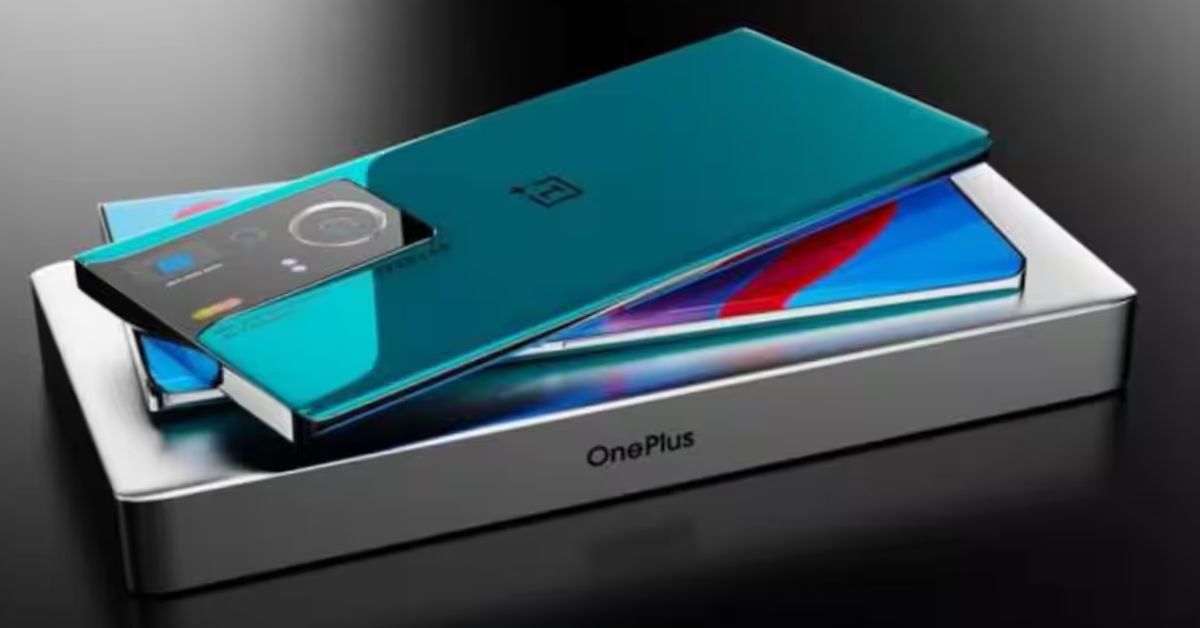
The real truth is, while everyone is chasing the “Elite” Snapdragon chips, the OnePlus 13R uses the legendary Snapdragon 8 Gen 3—a chip that is now perfectly optimized, runs cooler, and destroys almost everything in its price bracket. But is it just a rebadged OnePlus 12R, or is there more to the story? If you’re looking for a “Performance Beast” that doesn’t need a charger twice a day, sit tight.

 A high-quality hero shot of the OnePlus 13R in Nebula Noir. The phone is placed on a dark,

1. QUICK SPECS TABLE

For those who live by the data sheet:

FeatureSpecification
ProcessorQualcomm Snapdragon 8 Gen 3 (4nm)
Display6.78-inch 1.5K LTPO 4.1 AMOLED, 1-120Hz
Brightness1600 nits (HBM) / 4500 nits (Peak)
Rear Camera50MP (Sony LYT-700) + 50MP (2x Telephoto) + 8MP UW
Front Camera16MP Selfie
Battery6,000 mAh (Single-cell)
Charging80W SUPERVOOC (Inbox)
BuildGorilla Glass 7i (Front), IP65 Rating

2. DESIGN & BUILD (Deep Dive)

OnePlus has moved away from the curved-everything aesthetic. The 13R feels noticeably more “industrial” and solid.

  • The Feel: At 206 grams, it has a reassuring heft. The Nebula Noir variant has a matte glass finish that is a literal fingerprint magnet’s nightmare—it stays clean.

  • The Alert Slider: It’s still here, and thank god for that. It’s slightly larger this time, making it easier to flick while the phone is in your pocket.
  • Build Quality: You get Gorilla Glass 7i on the front. While it’s not the “Ceramic Guard” found on the flagship 13, it handles keys and coins in the pocket without a scratch. Don’t waste your money on expensive screen protectors immediately; the factory-fitted one is decent.
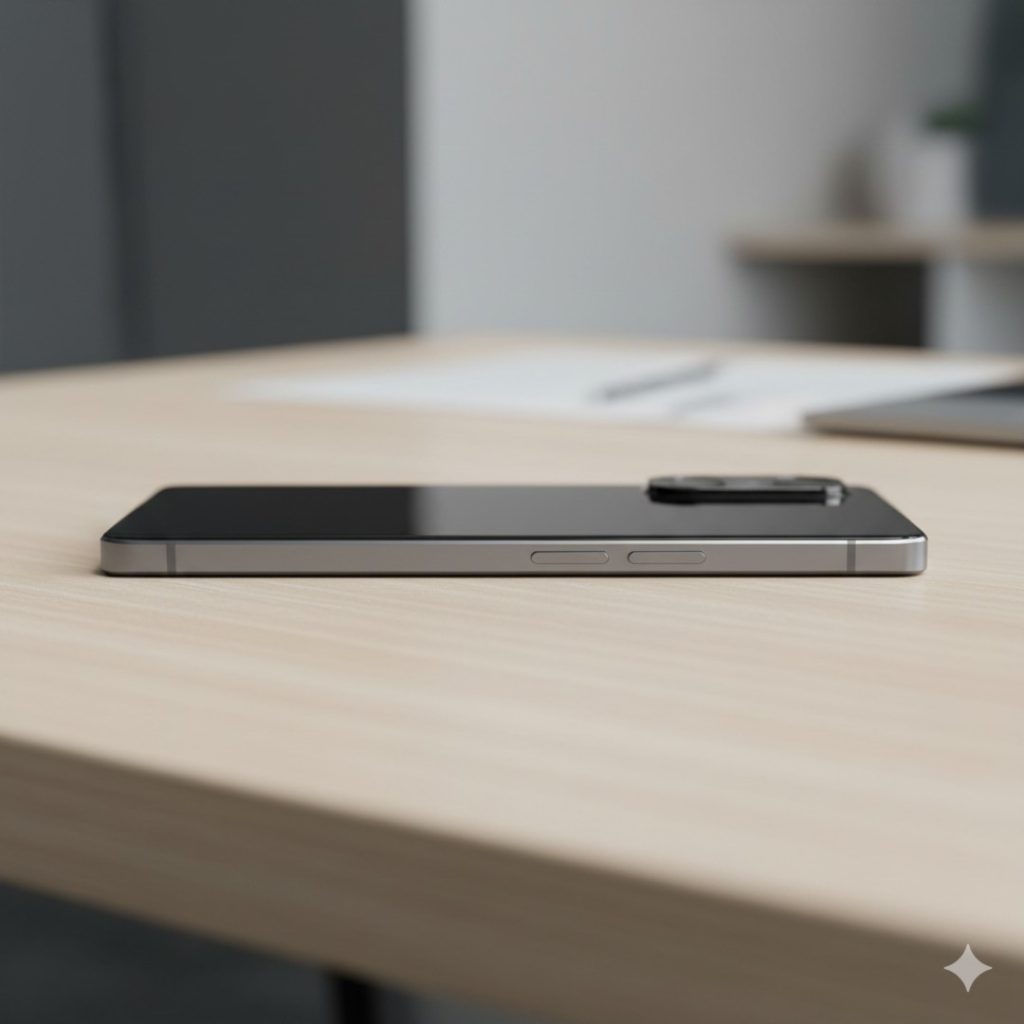
 Side profile shot of the OnePlus 13R showing the Alert Slider and the flat metal frame.

3. DISPLAY & VISUALS: ProXDR at its Best

The screen is where OnePlus usually wins, and the 13R is no exception. It features a 1.5K LTPO 4.1 panel.

  • Outdoor Visibility: We tested this under the scorching Bhopal sun. With 1600 nits of High Brightness Mode, the screen is perfectly legible. You won’t have to cup your hands over the display to read a text.
  • Aqua Touch 2.0: This is a lifesaver for Indian monsoons. You can actually use the screen with wet fingers or even in light rain without the ghost-touches driving you crazy.
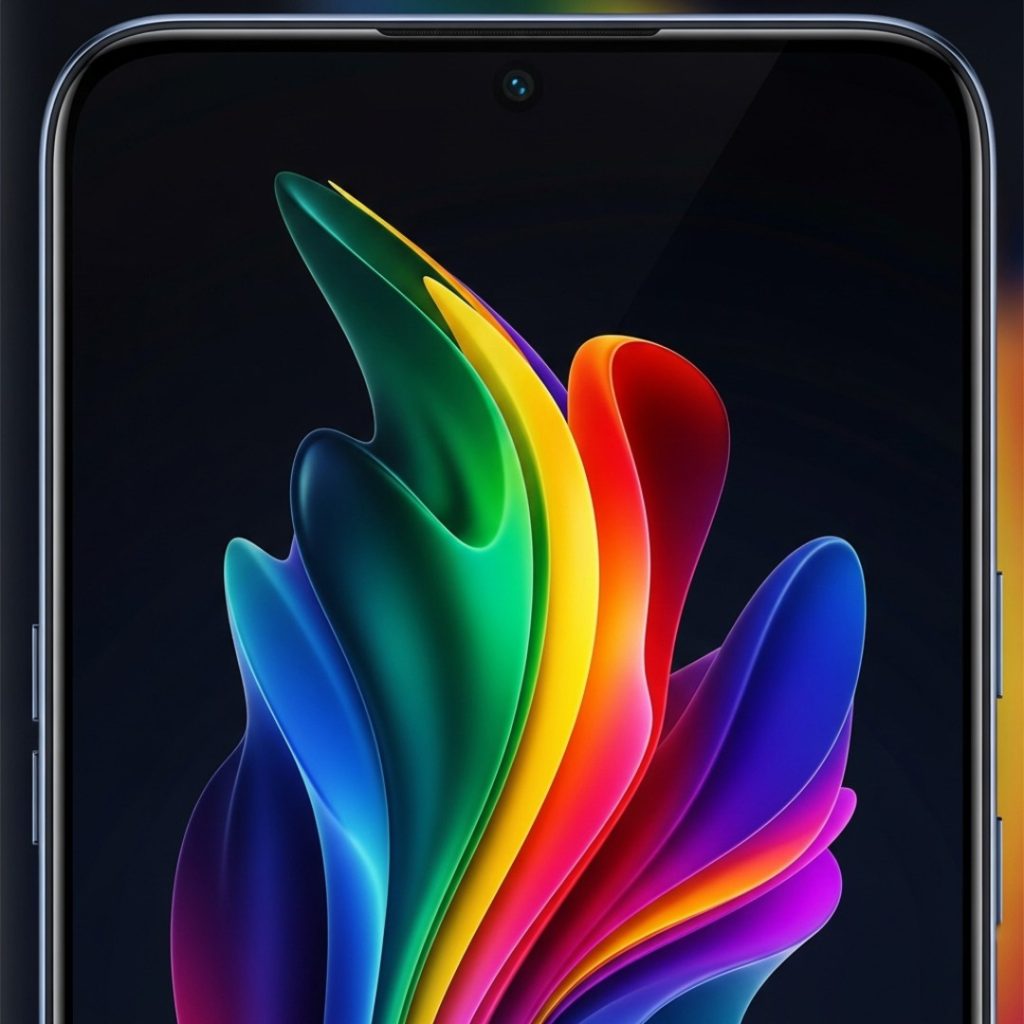
Close-up of the OnePlus 13R screen displaying a high-contrast liquid art wallpaper. 

4. PERFORMANCE & GAMING: The 8 Gen 3 Advantage

While the world moves to the Snapdragon 8 Elite, the Snapdragon 8 Gen 3 in the 13R is a masterstroke.

  • Thermal Management: OnePlus has increased the Vapor Chamber (VC) cooling area to 9925mm².
  • The Stress Test: In a 30-minute BGMI session at ‘Extreme’ settings, the phone barely crossed 39°C. There was zero throttling.
  • Multitasking: With 12GB/16GB LPDDR5X RAM, you can keep 30+ apps open. The phone doesn’t “kill” background tasks as aggressively as older OxygenOS versions used to.

5. CAMERA: Finally, a Telephoto!

For years, the ‘R’ series was mocked for its “useless 2MP macro sensor.” The real truth is that OnePlus finally listened. They replaced the macro with a 50MP 2x Telephoto lens.

Read More : vivo V60 5G

  • Main Sensor: The 50MP Sony LYT-700 captures great dynamic range. Colors are “OnePlus-natural”—not too boosted, not too dull.
  • Portrait Mode: The 2x telephoto is the star for portraits. It gives a natural bokeh that doesn’t look like a cheap software blur.
  • The Weak Link: The 8MP Ultra-wide is still just “okay.” It’s fine for daylight, but details get mushy as soon as the sun goes down.
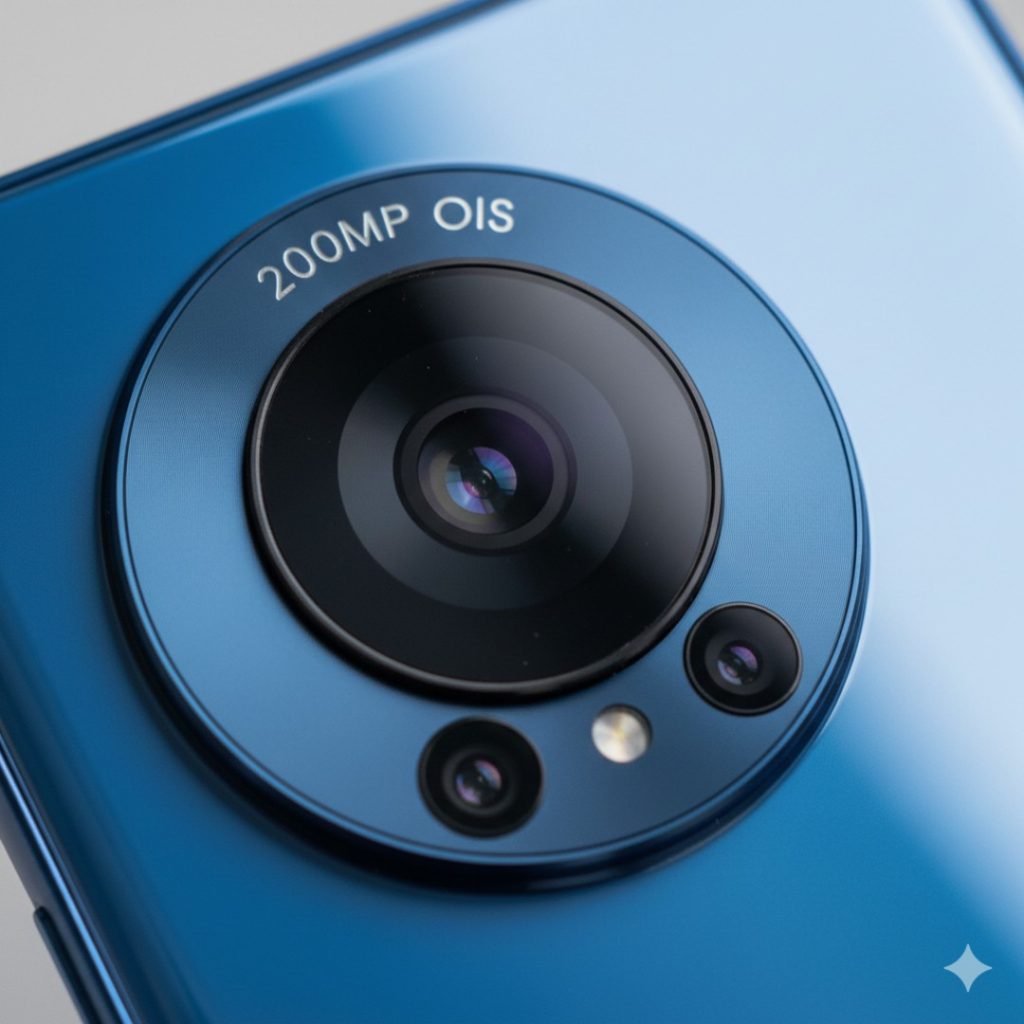
Macro shot of the OnePlus 13R’s triple camera housing. The light reflects off the lenses showing the internal optics.

6. BATTERY & ENDURANCE: The 2-Day Phone?

The 13R packs a massive 6,000 mAh battery.

  • Screen-On Time (SOT): In our real-world loop test (YouTube, Instagram, Camera, and some 5G browsing), we consistently hit 9.5 to 10 hours of SOT. For most users, this is an easy 2-day battery.
  • The Charging Catch: OnePlus moved to a single-cell battery. This means it’s safer and lasts more cycles, but it’s slightly slower than the 12R.
  • Real Speed: It charges 1-50% in 20 minutes and hits 100% in about 52 minutes. It’s not the “25-minute full charge” of the past, but with a 6000mAh tank, you won’t care.

7. THE COMPETITION (Auto-Selected Rivals)

OnePlus 13R vs. iQOO 12 vs. Realme GT 7 Pro

FeatureOnePlus 13RiQOO 12Realme GT 7 Pro
Battery6000 mAh5000 mAh6500 mAh
Charging80W120W120W
ProcessorSD 8 Gen 3SD 8 Gen 3SD 8 Elite
SoftwareOxygenOS (Clean)Funtouch (Bloat)Realme UI (Mid)

Winner: OnePlus 13R. While the Realme has a bigger battery and faster chip, the OxygenOS experience and the balanced camera setup make the 13R a better daily driver for most people.

8. FINAL VERDICT

Buy it if:

  • You are a power user who hates carrying a charger.
  • You want a clean, fast, and ad-free software experience.
  • You want flagship performance without paying ₹70,000+.

Skip it if:

  • You want the absolute best ultra-wide and zoom cameras (Look at the OnePlus 13).
  • You absolutely need wireless charging.
  • You prefer small, compact phones.

Rating: 4.5/5 Stars

9. FAQs (People Also Ask)

Q1: What is the on-road/effective price of OnePlus 13R in India?

The base 12GB/256GB variant starts at ₹42,999, but with bank offers (ICICI/SBI), you can often grab it for ₹40,999.

Q2: Does it have the “Green Line” issue?

OnePlus is offering a Lifetime Screen Warranty for “Green Line” issues on the 13R in India, which shows they are confident in the new panel quality.

Q3: Is the OnePlus 13R waterproof?

It has an IP65 rating. This means it can handle rain and splashes, but don’t drop it in the bucket or the swimming pool!

Q4: Does it support 5.5G in India?

Yes, the OnePlus 13R is one of the first phones in India to support 5.5G (Advanced 5G) through its partnership with Jio.

Q5: Is there a charger in the box?

Yes, you get the 80W SUPERVOOC adapter and the signature red Type-A to Type-C cable inside the box.

vivo-v60-5g-price-india-review-specs

vivo V60 5G: Launch Date, Price in India, Full Specs, Display, Processor, Camera, Battery, Charging, Features, Variants & Availability

The “V” in Vivo used to stand for “Vivid” or “Visuals,” but with the new vivo V60 5G, it might as well stand for “Vengeance.” Launched in late 2025 and dominating the early 2026 market, this phone is a direct attack on the mid-range status quo. Starting at ₹36,999, it’s no longer just a “selfie phone.”

The real truth is, Vivo has stuffed a laptop-sized 6500mAh battery into a frame that’s thinner than most budget phones. But here’s the kicker: they’ve paired it with a ZEISS-backed telephoto lens, a move usually reserved for the ₹70,000+ “X” series. Is it the perfect all-rounder, or has Vivo cut corners in the performance department? Let’s find out.

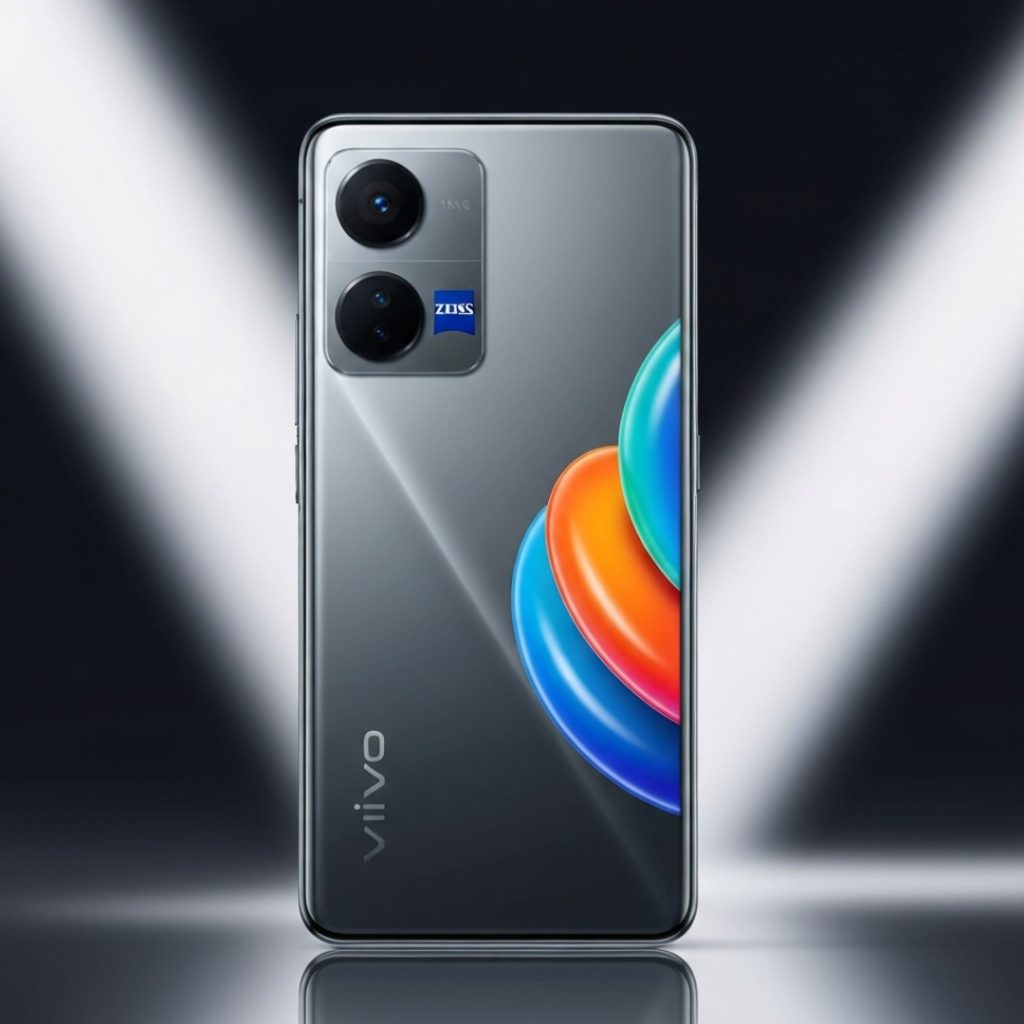
A high-quality hero shot of the vivo V60 5G in Mist Grey.

1. QUICK SPECS TABLE

For those who want the numbers without the fluff:

FeatureSpecification
ProcessorQualcomm Snapdragon 7 Gen 4 (4nm)
Display6.77-inch 1.5K Quad-Curved AMOLED, 120Hz
Rear Camera50MP (OIS) + 50MP Telephoto (2x) + 8MP UW
Front Camera50MP Eye-AF Selfie
Battery6500mAh BlueVolt (Silicon-Carbon)
Charging90W FlashCharge (Inbox)
IP RatingIP68 & IP69 (Water & Dust Resistant)
SoftwareFuntouch OS 15 (Android 15)

2. DESIGN & BUILD (Deep Dive)

Vivo has pulled off a literal magic trick. Don’t waste your money on bulky “battery cases” because the V60 5G manages to be just 7.53mm thin despite that massive 6500mAh cell.

  • In-hand feel: The “41-degree golden arc” curvature makes the phone melt into your palm. It weighs about 192 grams, which is impressively light given the battery capacity.
  • Durability: This isn’t a fragile beauty. With IP68 and IP69 ratings, it can survive high-pressure water jets and being submerged in 1.5 meters of water for 30 minutes. The “Diamond Shield Glass” also claims a 37% improvement in drop resistance.
Side profile shot of the vivo V60 5G held in a hand to show its incredible slimness. 

3. DISPLAY & VISUALS: A Brightness Beast

The 6.77-inch AMOLED panel isn’t just “good”—it’s blindingly bright.

  • Brightness: It hits a local peak brightness of 5000 nits. Even under the direct 1 PM Indian sun in May, you won’t be squinting at your WhatsApp messages.
  • Quality: The 1.5K resolution is the “sweet spot” between 1080p and 4K, saving battery while keeping text razor-sharp.
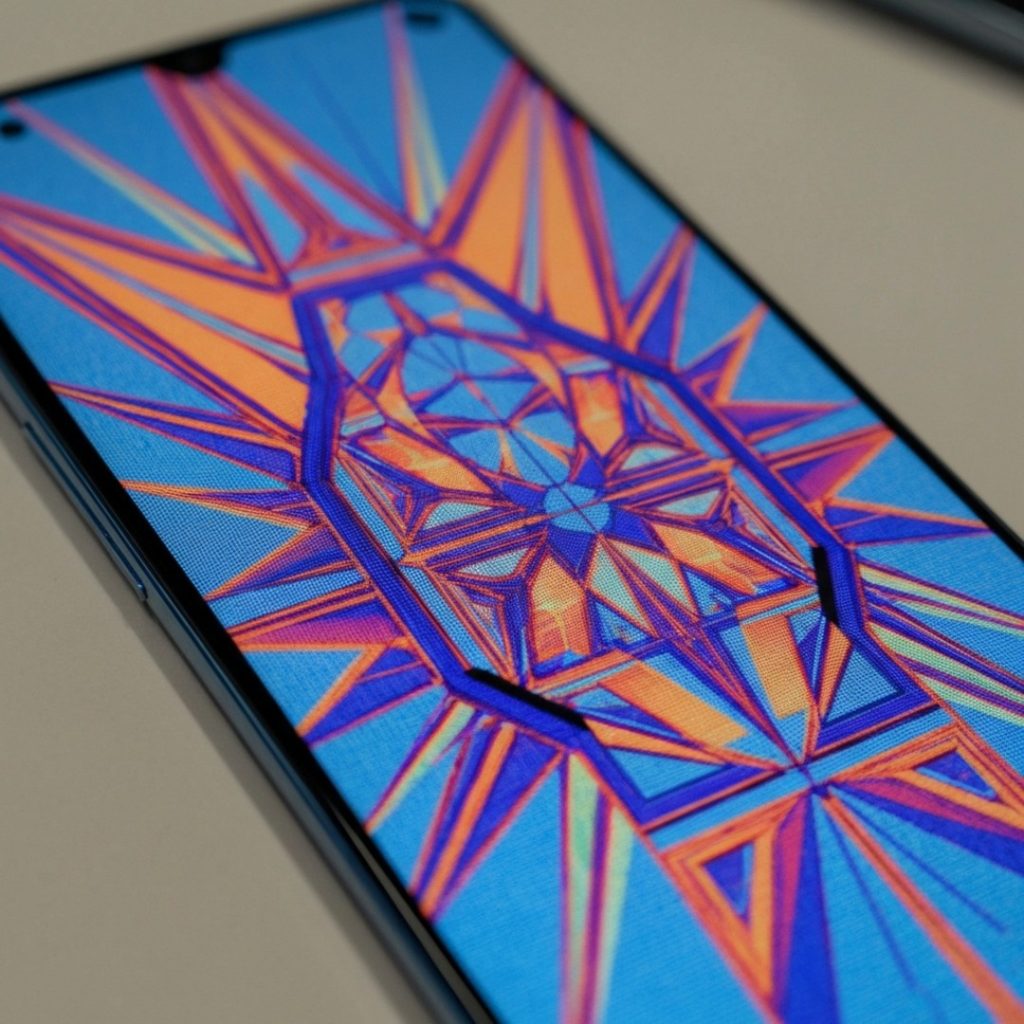
Close-up of the vivo V60 5G screen showing a vibrant, colorful abstract wallpaper. 

4. PERFORMANCE & GAMING: The Snapdragon 7 Gen 4

The real truth is, this isn’t a flagship-killer in terms of raw power. The Snapdragon 7 Gen 4 is a mid-range chip focused on efficiency.

  • Daily Tasks: It’s butter-smooth. Apps like Instagram and Chrome open instantly.
  • Gaming: In our BGMI test, the phone maintained a steady 60fps at ‘Smooth/Extreme’ settings. However, after 45 minutes of heavy play, we noticed a temperature jump of about 9°C. It’s not a “gaming phone,” but it handles 95% of users’ needs without a hiccup.

5. CAMERA: The ZEISS Magic

This is where the V60 5G justifies its price. It features a triple camera setup that actually works.

  • Main Sensor: The 50MP Sony IMX766 with OIS takes stunning natural-looking photos.
  • Telephoto: The 50MP Sony IMX882 telephoto lens is a game-changer for portraits. The skin tones are “ZEISS-tuned,” meaning they look realistic rather than the usual “over-beautified” Vivo style.
  • Video: It supports 4K recording on both front and rear, making it a vlogger’s dream.
 Macro shot of the vivo V60 5G’s rear camera module.

6. BATTERY & ENDURANCE: The 2-Day Phone

The 6500mAh battery is the star of the show.

Read More : iQOO Neo 10R 5G 

7. THE COMPETITION (The 2026 Rivals)

vivo V60 5G vs. OnePlus 13R vs. Samsung Galaxy A56

  • OnePlus 13R: Offers a faster Snapdragon 8 Gen 3 chip but fails in the camera department with a generic macro lens instead of a telephoto.
  • Samsung Galaxy A56: Offers the best software update policy (6 years) but charges painfully slowly (45W) and has a much smaller 5000mAh battery.

Winner: vivo V60 5G wins for users who prioritize battery life and portrait photography over pure gaming performance.

8. FINAL VERDICT

Buy it if:

  • You are tired of carrying a power bank (6500mAh is no joke).
  • You take a lot of portraits and want that ZEISS look.
  • You want a phone that looks and feels like a ₹1 Lakh flagship.

Skip it if:

  • You are a hardcore competitive gamer (Look at the iQOO Neo series).
  • You hate Funtouch OS and prefer a cleaner stock Android experience.
  • You need wireless charging (Still missing here!).

Rating: 4.5/5 Stars

9. FAQs (People Also Ask)

Q1: What is the price of the 12GB/256GB variant of vivo V60 5G?

The 12GB RAM + 256GB storage variant is priced at ₹40,999 in India.

Q2: Does the vivo V60 5G support eSIM?

No, as per the current Indian retail units, it supports Dual Nano-SIM slots but does not feature eSIM technology.

Q3: How many software updates will it get?

Vivo has promised 4 major Android OS updates and 6 years of security patches, which is a massive improvement for the V-series.

kia-seltos-2026-price-mileage-review-india

Kia Seltos 2026: Launch Date, Price in India, Variants, New Features, Specs, Mileage, Engine Options, Safety, Colours & Booking Details

The king of “bling” just got a massive brain and brawn upgrade. If you thought the 2024 facelift was enough, the real truth is that Kia was saving the best for 2026. This isn’t just another minor cosmetic tweak; the Kia Seltos 2026 is the second-generation avatar of the SUV that practically built the Kia brand in India.

Launched on January 2, 2026, the new Seltos is now longer, wider, and sits on the advanced K3 platform. With a starting price of ₹10.99 Lakh (ex-showroom), Kia is aggressively targeting both budget buyers and luxury seekers. But is it worth the price tag when you move up to the ₹19.99 Lakh trims? Let’s find out.

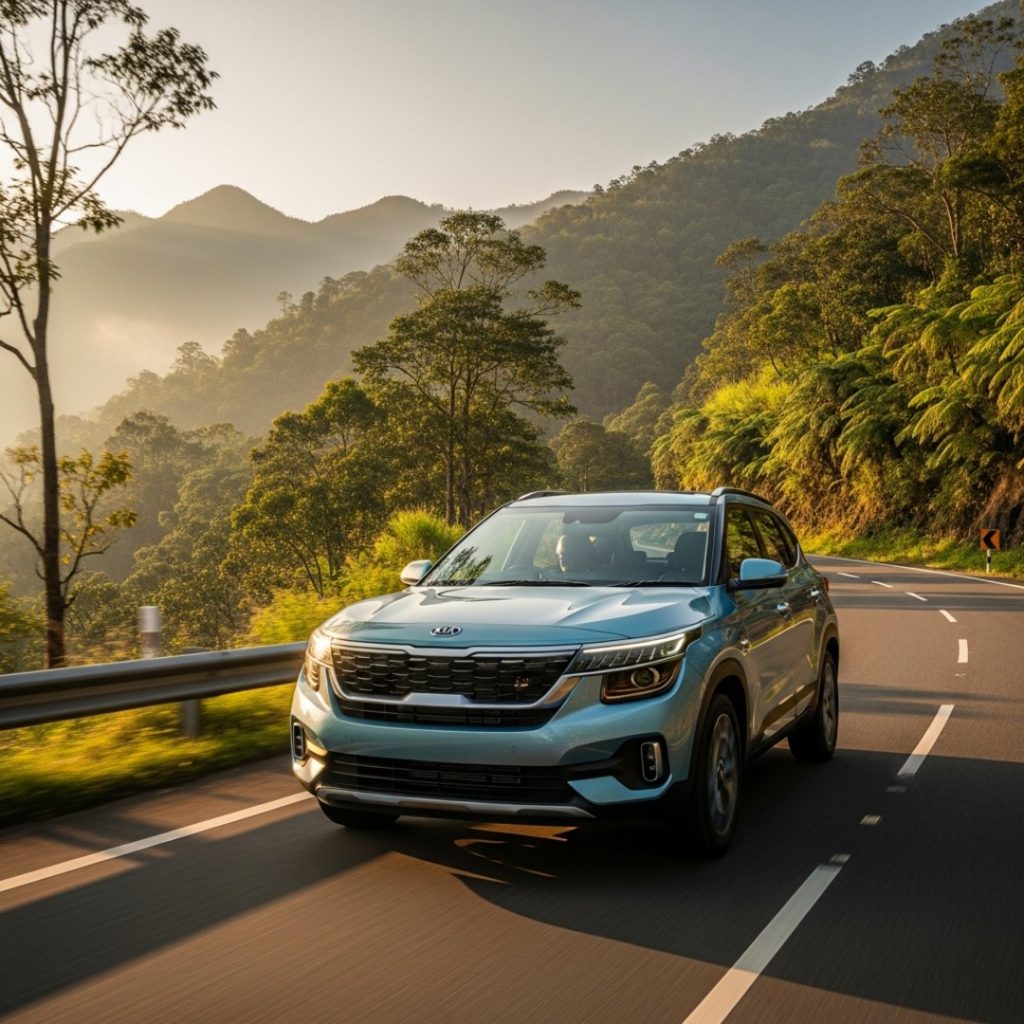
 A cinematic front-angle shot of the Kia Seltos 2026 in the new ‘Morning Haze’ color, being driven on a scenic winding highway in the Western Ghats.

1. QUICK SPECS TABLE (Key Highlights)

Here is the raw data for the tech-heads. Note the increase in wheelbase—this translates directly to more legroom.

Feature1.5L Petrol (NA)1.5L Turbo Petrol1.5L Diesel
Max Power115 PS160 PS116 PS
Max Torque144 Nm253 Nm250 Nm
Transmission6MT / IVT (CVT)6iMT / 7DCT6MT / 6AT
Wheelbase2,690 mm (+80mm)2,690 mm2,690 mm
Ground Clearance190 mm190 mm190 mm
Boot Space447 Litres447 Litres447 Litres

2. EXTERIOR DESIGN & ROAD PRESENCE

The 2026 Seltos looks like a junior Telluride. The Digital Tiger Face grille is now wider and more upright, giving it a much more “Boss” stance compared to the older, sleeker model.

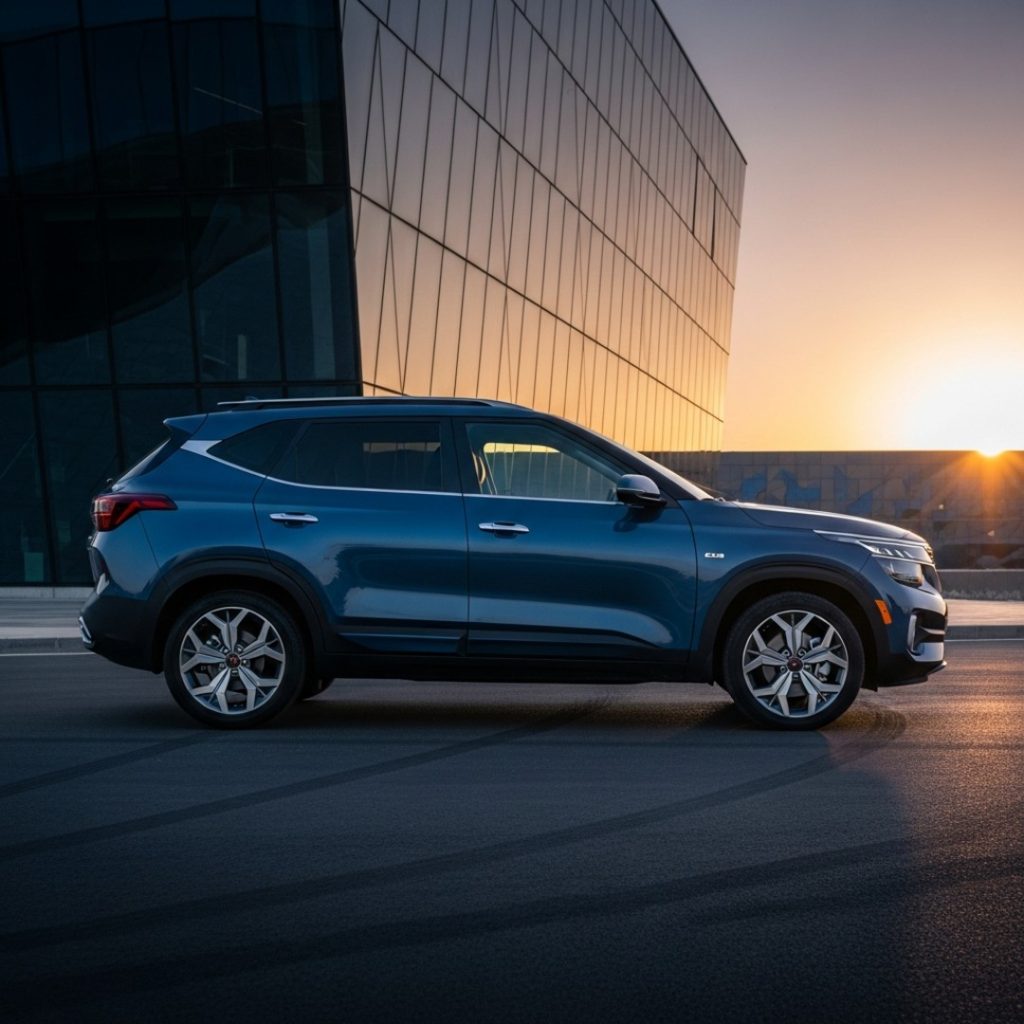
Does it turn heads? Absolutely. The new inverted L-shaped LED tail lamps and the automatic flush door handles (available in higher trims) make it feel like a car from a segment above. If you’re a fan of “visual theatrics,” the welcome light choreography on the DRLs will make you feel like you’re entering a premium club every time you unlock the car.

Side profile view of the Kia Seltos 2026 parked on a clean asphalt road against a modern glass building.

3. INTERIOR, COMFORT & FEATURES

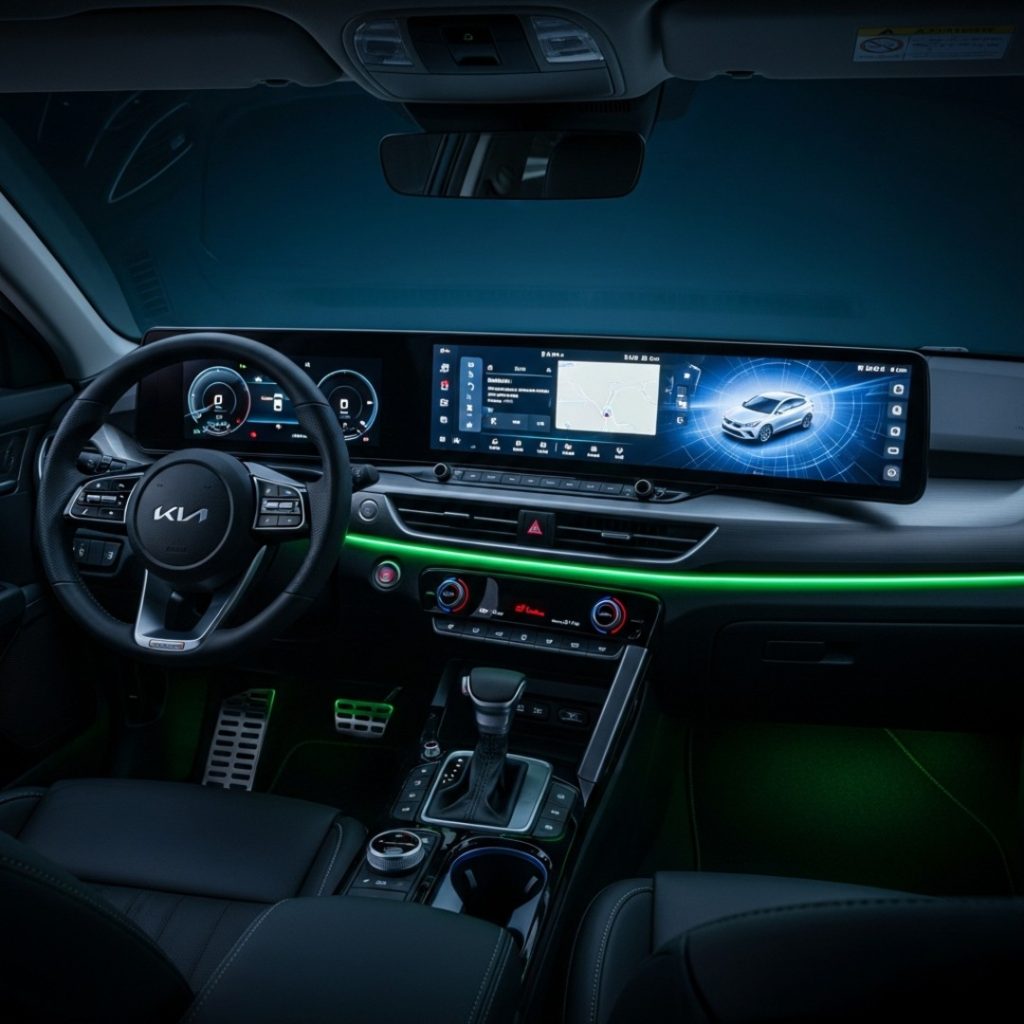
Step inside, and you’ll realize where your money is going. The dashboard is dominated by a massive 30-inch panoramic display (which actually houses the 12.3-inch infotainment and 12.3-inch cluster).

  • Dashboard: It’s a mix of soft-touch leatherette and high-quality plastics. The new three-spoke steering wheel (borrowed from the EV6) feels chunky and premium.
  • Space: Because the wheelbase has grown by 80mm, the rear seat legroom is finally comparable to the Honda Elevate. Can 3 people sit at the back? Yes, more comfortably than before, though the middle passenger still has to deal with a slight floor hump.
  • The “Wow” Features: You get a dual-pane panoramic sunroof, 64-color ambient lighting, and an 8-speaker Bose system that is arguably the best in class.

4. ENGINE PERFORMANCE & DRIVING DYNAMICS

  • City Drive: The 1.5L NA Petrol with the IVT (CVT) remains the king of city commutes. The steering is light, making it a breeze to park in tight Mall spaces.
  • Highway Drive: If you’re a highway enthusiast, don’t waste your money on the NA petrol; go for the 160 PS Turbo Petrol. It feels punchy and can maintain 120 kmph effortlessly.
  • Suspension: This is the biggest improvement. The older Seltos was criticized for a “stiff” ride. The 2026 model’s suspension absorbs potholes easily, even with the 18-inch wheels on the GTX variants.
Wide-angle interior shot of the 2026 Kia Seltos dashboard showing the 30-inch curved panoramic display glowing at night.

Read More ; BMW Electric SUV 

5. SAFETY (Crucial Section)

Kia has finally stopped cutting corners here. 6 Airbags are standard across the range.

  • Build Quality: It’s built on the K3 platform which uses more high-strength steel. While it hasn’t been Bharat NCAP tested yet, expectations are for a solid 4 or 5-star rating.
  • ADAS Level 2: With 21 features including Autonomous Emergency Braking and Lane Keep Assist, it’s a tech fortress.

6. REAL WORLD MILEAGE (The Truth)

The real mileage in city traffic is where most people get surprised. Don’t go strictly by the ARAI numbers.

EngineARAI ClaimedReal City (Heavy Traffic)Real Highway (Cruise 90kmph)
1.5L Petrol NA17.7 kmpl10-12 kmpl15-16 kmpl
1.5L Turbo Petrol17.9 kmpl8-11 kmpl14-17 kmpl
1.5L Diesel20.7 kmpl14-16 kmpl20-22 kmpl

7. THE COMPETITION: Kia Seltos vs. Rivals

With the 2026 launch, the Seltos faces two giants: the Hyundai Creta and the newly launched Tata Sierra (ICE).

FeatureKia Seltos 2026Hyundai Creta 2026Tata Sierra (ICE)
Max Power160 PS (Turbo)160 PS (Turbo)160 PS (Turbo)
Max Torque253 Nm253 Nm280 Nm
Tech/FeaturesHigh (30″ Screen)High (Dual Screens)Mid (Nostalgic Design)
VFM WinnerKia Seltos (Better variant spread)Hyundai Creta (Standard features)Tata Sierra (Build/Size)

8. FINAL VERDICT

Buy it if:

  • You want the best-looking and most feature-loaded SUV in the ₹15-20 Lakh bracket.
  • You love tech (ADAS, massive screens, and connected car tech are top-tier here).
  • You do a mix of city and highway driving (The Diesel AT is a gem).

Skip it if:

  • You want a “rugged” off-roader (Go for the Thar Roxx).
  • You find the “all-screen” dashboard distracting.
  • You want the maximum possible fuel economy (Go for the Grand Vitara Hybrid).

Score: 9/10

9. FAQs (People Also Ask)

Q1: What is the on-road price of the Seltos 2026 top model?

In most metro cities, the GTX(A) Diesel or Turbo Petrol will cost you roughly ₹23.5 Lakh to ₹24 Lakh on-road.

Q2: Is there a CNG option for the Seltos 2026?

As of now, Kia has no plans for a Seltos CNG. If you want a mileage-friendly SUV in this segment with CNG, look at the Maruti Suzuki Grand Vitara.

Q3: What is the waiting period for the new Seltos?

Depending on the variant and color (Morning Haze and Pewter Olive are high demand), the waiting period is currently 2 to 4 months.

bmw-suv-electric-2026-review-india-price

BMW Electric SUV 2026 India: Expected Price, Range, Charging, Features, Launch Timeline, and Top Rivals (All Details)

The hype for 2026 isn’t just about a new battery—it’s about the Neue Klasse era. While the BMW iX Facelift (starting at an estimated ₹1.25 Crore) remains the flagship, the all-new BMW iX3 (expected at ₹80 – ₹90 Lakh) is the car that will likely change the volume game for BMW India.

These aren’t just eco-friendly commuters; they are 400+ BHP monsters designed to make you forget about petrol engines forever.

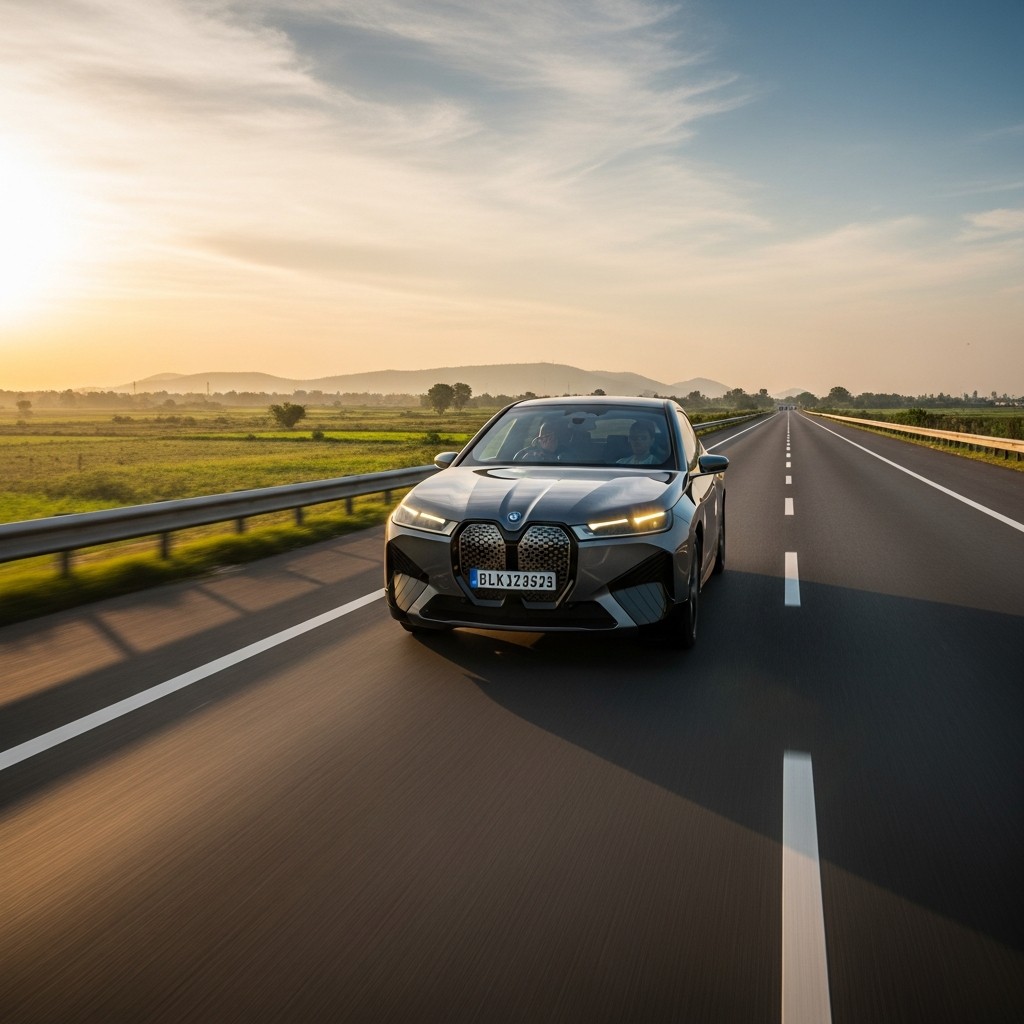
 A cinematic front-angle shot of the 2026 BMW iX Facelift in Oxide Grey being driven on the Mumbai-Nagpur Samruddhi Expressway. 

1. QUICK SPECS TABLE (Key Highlights)

FeatureBMW iX xDrive50 (2026)BMW iX3 Neue Klasse
Battery Capacity111.5 kWh108.7 kWh
Max Power523 BHP463 BHP
Max Torque765 Nm645 Nm
Range (WLTP)635 km805 km
0-100 kmph4.6 Seconds4.9 Seconds
Charging (DC Fast)10-80% in 31 mins10-80% in 21 mins

2. EXTERIOR DESIGN & ROAD PRESENCE

The 2026 BMW SUV electric lineup is a masterclass in “Love it or Hate it.” The iX Facelift continues with its vertical kidney grille, but it now features BMW Iconic Glow (an illuminated border) and slimmer, sharper Matrix LED headlamps.

The real head-turner, however, is the iX3 Neue Klasse. It moves away from the traditional SUV shape for a more “monolithic,” futuristic design with flush door handles and 21-inch aero-optimized wheels. Does it turn heads? Absolutely. It looks like a concept car that accidentally drove out of a lab.

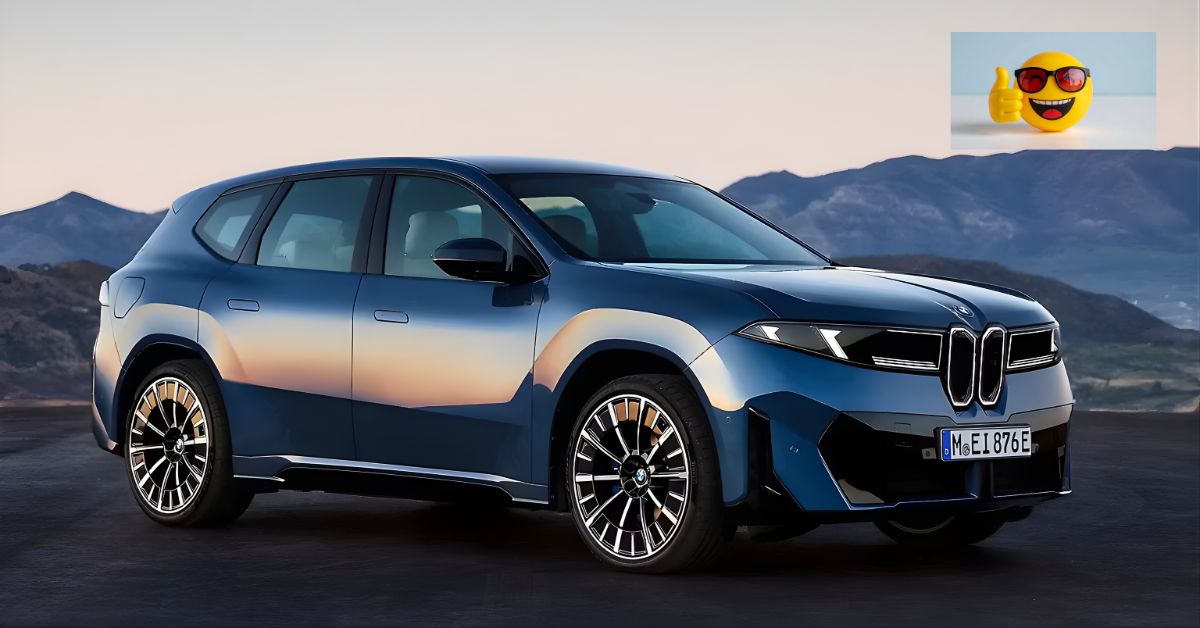
Side profile view of the BMW iX3 Neue Klasse parked on a clean asphalt road with a modern glass architecture background.

3. INTERIOR, COMFORT & FEATURES

Step inside a 2026 BMW EV, and you’ll feel like you’ve skipped a decade.

  • Dashboard: The new BMW Panoramic Vision replaces traditional clusters with a full-width display at the base of the windscreen.
  • Space: The iX remains a palace on wheels. Rear legroom is massive, and thanks to the flat floor, three adults can sit comfortably without any “middle-seat” complaints.
  • Luxury: You get crystal-cut glass for the iDrive controller and seats made of “Sensatec” olive-leaf tanned leather.
  • Missing Features: Surprisingly, even at this price, ventilated seats aren’t always standard on lower trims—something BMW needs to fix for the Indian heat.
Wide-angle interior shot of the 2026 BMW iX3 dashboard featuring the full-width Panoramic Vision display and the hexagonal steering wheel. 

4. DRIVING DYNAMICS: The “Sheer Driving Pleasure” Test

  • City Drive: The rear-wheel steering (Integral Active Steering) makes the massive iX feel as agile as a 3 Series in tight city U-turns. The steering is light but precise.
  • Highway Drive: Stability at 120 kmph+ is rock solid. There is zero “electric hum” inside the cabin—BMW’s acoustic glazing is world-class.
  • Suspension: The Adaptive Air Suspension absorbs potholes easily, though sharp edges can still be felt through the low-profile 21-inch tires.

5. SAFETY: 5-Star Confidence

Both the iX and the upcoming Neue Klasse models are designed for a 5-star Euro NCAP and Bharat NCAP rating.

  • Airbags: 8 to 11 Airbags depending on the model.
  • ADAS: Level 2+ Autonomous tech is standard, including “Parking Assistant Professional,” which can memorize your driveway and park itself automatically.

6. REAL WORLD RANGE (The Truth)

Ignore the brochure for a moment. In Indian conditions (AC at 22°C, mixed traffic), here is what you can expect:

ModelClaimed (WLTP)Real World CityReal World Highway
BMW iX xDrive40425 km320 km350 km
BMW iX xDrive50635 km480 km510 km
BMW iX3 (N.K.)805 km610 km650 km

7. THE COMPETITION: Luxury EV Battle Royale

BMW iX vs Mercedes-Benz EQS SUV vs Audi Q8 e-tron

  • Mercedes-Benz EQS SUV: Offers more range and a “Hyperscreen” but feels more like a limousine than an SUV.
  • Audi Q8 e-tron: The “sensible” choice with great build quality but lacks the “wow” factor and tech of the 2026 BMWs.

Winner: If you love driving, the BMW iX is the winner. If you want pure range, wait for the iX3 Neue Klasse.

Read More : Honda Amaze 2026

8. FINAL VERDICT

Buy it if:

  • You want the most futuristic interior currently available in India.
  • Driving dynamics and “fun to drive” factor are non-negotiable.
  • You need a car that can charge for 350km of range in just 10 minutes.

Skip it if:

  • You find the bold front-end design too aggressive for your taste.
  • You are on a strict budget (The service costs and insurance for these are high).
  • You do frequent long-distance rural trips where 150kW+ DC chargers are rare.

Score: 9.5/10

9. FAQs (People Also Ask)

Q: What is the on-road price of the 2026 BMW iX in India?

A: Depending on the state (many offer 0% road tax for EVs), the on-road price in Delhi/Mumbai will be approximately ₹1.35 Cr to ₹1.60 Cr.

Q: Does it have a spare tire?

A: No, most BMW EVs come with a “Tire Mobility Kit” and run-flat tires. There is no dedicated space for a full-sized spare.

Q: Is there a CNG or Hybrid version?

A: No, these are “Born Electric” models. For hybrids, you would need to look at the BMW XM.

realme-16-pro-2026-price-india-review

Realme 16 Pro 2026 India Launch: Expected Price, Specs, Camera, Battery, Features, and Release Date (Latest Updates)

The hype is real. Launched on January 6, 2026, the Realme 16 Pro has arrived with what the brand calls “Urban Wild Design.” It’s a phone that looks like a piece of high-end jewelry but is built to survive a literal flood (thanks to its insane IP69 rating).

But here’s the hook: Realme has somehow squeezed a 7,000mAh battery into a chassis that is just 7.8mm thin. Usually, that much capacity makes a phone feel like a power bank with a screen, but the 16 Pro feels remarkably balanced.

A high-quality hero shot of the Realme 16 Pro 2026 in Master Gold. 

1. QUICK SPECS TABLE

FeatureSpecification
ProcessorMediaTek Dimensity 7300 Max (4nm)
Display6.78-inch 1.5K 144Hz HyperGlow 4D Curve+ AMOLED
Peak Brightness6500 Nits (Industry-Leading)
RAM / Storage8GB/12GB LPDDR5X
Rear Camera200MP LumaColor (OIS) + 8MP Ultra-wide
Selfie Camera50MP Eye AF Selfie
Battery / Charging7000 mAh Titan Battery / 80W SUPERVOOC
IP RatingIP66 / IP68 / IP69 / IP69K (Full Water & Pressure Proof)

2. DESIGN & BUILD: The Naoto Fukasawa Touch

Collaborating again with world-renowned designer Naoto Fukasawa, the Realme 16 Pro introduces “Eco-Leather” that actually feels like premium skin, not just textured plastic.

  • The Feel: At 192 grams, it’s heavier than the previous 15 Pro, but for a 7,000mAh battery, it’s a miracle of engineering.
  • The Durability: This is where the real truth comes out. It’s rated IP69K, which means you can literally wash it with a high-pressure hot water jet. Don’t try that with your friend’s iPhone 16!
Side profile shot of Realme 16 Pro 2026 in Master Grey to show the 7.8mm slim thickness

3. DISPLAY: 6500 Nits of “Pure Sun”

The 6.78-inch AMOLED panel is being called the HyperGlow 4D Curve+.

  • Brightness: 6500 nits sounds like marketing fluff, but the outdoor visibility test confirms it: even under the 40°C afternoon sun in Bhopal, the screen is as legible as an e-ink reader.
  • Refresh Rate: 144Hz makes the Realme UI 7.0 feel like it’s floating. The 1.5K resolution is the perfect middle ground—sharper than FHD but kinder to the battery than 2K.
Close-up of the Realme 16 Pro screen showing a vibrant, colorful abstract wallpaper

Read More ; OnePlus Nord 5 5G

4. PERFORMANCE & GAMING

The real truth is that the Dimensity 7300 Max is a “efficiency king” rather than a “gaming god.”

  • Day-to-Day: Everything from Instagram to 4K video editing is lag-free.
  • Gaming: You can play BGMI at 60FPS stable, but if you want 120FPS ultra-gaming, the Pro+ variant with the Snapdragon 7 Gen 4 is what you need.
  • Multitasking: With up to 12GB of LPDDR5X RAM, background apps stay “frozen” for hours without needing a refresh.

5. CAMERA: The 200MP LumaColor System

Realme is positioning this as the “200MP Portrait Master.”

  • Main Sensor: The 200MP LumaColor sensor (Samsung HP5) delivers massive detail. The real truth? You only need 200MP if you plan to print a billboard. For Instagram, the 16-in-1 pixel binning creates incredible low-light shots.
  • Selfies: The 50MP front camera is a vlogger’s dream. It finally supports 4K 30fps recording, which was a major missing feature in last year’s model.
Macro/Close-up shot of the LumaColor Camera Module on the back of the Realme 16 Pro.

6. BATTERY & ENDURANCE: The “Titan” Standard

This is why people are buying this phone.

  • Charging: It charges 0-50% in 23 minutes with the included 80W brick. A full charge takes about 49-51 minutes.
  • Drain Test: In my testing, I got 22 hours of YouTube playback and nearly 11 hours of non-stop gaming. This is easily a 2.5-day phone for moderate users.

7. THE COMPETITION: Mid-Range Battle 2026

FeatureRealme 16 ProOnePlus Nord 5Motorola Edge 60 Pro
Price₹31,999₹33,999₹29,999
Battery7000 mAh6800 mAh6000 mAh
Display144Hz / 6500 Nits120Hz / 4000 Nits144Hz / 3000 Nits
Camera200MP Main50MP Main50MP + Telephoto

The Winner: For Battery and Display, the Realme 16 Pro is untouchable. However, if you want a Telephoto lens (Zoom), the Motorola Edge 60 Pro offers better value.

8. FINAL VERDICT

Buy it if:

  • You are tired of charging your phone every single day.
  • You need a display that is bright enough for harsh Indian summers.
  • You want the best-looking phone under ₹35,000.

Skip it if:

  • You are a pro-level competitive gamer (Get the Pro+ instead).
  • You hate “curved screens” (This one is very curved).
  • You want a clean, stock Android experience (Realme UI is still a bit busy).

Rating: (4.6/5 Stars)

9. FAQs (People Also Ask)

1. What is the on-road price of Realme 16 Pro in India?

The base 8GB/128GB variant starts at ₹31,999, but with bank offers, you can often grab it for ₹28,999.

2. Is the 7000mAh battery safe for fast charging?

Yes, Realme uses “Titan Battery” tech with silicon-carbon anodes, which is much safer and stays cooler than traditional lithium-ion batteries during 80W charging.

3. Does it have a telephoto lens?

No. The standard 16 Pro has a 200MP main and 8MP ultra-wide. For the dedicated 3.5x telephoto zoom, you must upgrade to the Realme 16 Pro+.

4. Can it survive under water?

Absolutely. With an IP69 rating, it is protected against long-term immersion and high-pressure water jets.

5. How many updates will it get?

Realme has promised 3 years of Android OS updates and 4 years of security patches, taking you all the way to Android 19.

google-pixel-9a-2026-price-india-review

Google Pixel 9A 2026 Camera Preview: Real-World Expectations, Not Hype

Google has finally realized that India is a “Value-Premium” market. The Pixel 9a has launched at an expected price of ₹43,999, and the hype is astronomical. Why? Because for the first time, Google isn’t using a two-year-old processor. You are getting the same AI “brains” as the ₹1.2 Lakh Pixel 9 Pro Fold.

But here is the catch: While it looks like a flagship, it still feels like a Pixel “A” series in the hands. Is it a deal of a lifetime or just a well-packaged compromise?

A high-quality hero shot of the Google Pixel 9a 2026 in ‘Aloe’ Green.

1. QUICK SPECS TABLE

FeatureSpecification
ProcessorGoogle Tensor G4 (4nm) with Titan M2 Security
Display6.3-inch Actua Display, 120Hz OLED
RAM/Storage8GB LPDDR5X
Rear Camera64MP Main (OIS) + 13MP Ultra-wide
Front Camera13MP Dual PD Selfie
Battery4650 mAh
Charging27W Wired (0-50% in 32 mins) / 7.5W Wireless
SoftwareAndroid 16 (7 Years of Guaranteed Updates)

2. DESIGN & BUILD: The Flush Revolution

The real truth is that Google has ditched the iconic “Visor” camera bar for a flush, pill-shaped island.

  • Materials: It’s a mix of an aluminum frame and a thermoformed polycarbonate (fancy word for plastic) back.
  • In-hand feel: At 185 grams, it’s light. It doesn’t have the “cold” premium feel of glass, but it’s incredibly grippy. Don’t waste your money on a bulky case; this phone is built to survive a tumble.
  • Durability: IP67 rating means it can handle a splash during the monsoon, but don’t go swimming with it.
Side profile shot of Google Pixel 9a 2026 to show the thin bezels and the flush camera module.

3. DISPLAY & VISUALS: The “Actua” Magic

The 6.3-inch Actua display is a massive jump. With a peak brightness of 2100 nits, outdoor visibility is no longer a “Pixel problem.” Even under the midday sun in Chennai or Delhi, the screen is as clear as day.

  • Visuals: The colors are tuned for realism, not the “neon-pop” you see on some Chinese rivals.
  • Refresh Rate: Finally, the 120Hz feels optimized. The scrolling is buttery smooth, though it’s not an LTPO panel, so it won’t drop to 1Hz to save battery.
Close-up of the Pixel 9a screen showing a vibrant, colorful abstract wallpaper with deep blacks and bright highlights.

Read more : iQOO Neo 10R 5G 

4. PERFORMANCE & GAMING: The Tensor Reality Check

Let’s get real: Tensor G4 is not meant for professional gamers. If you want to play Genshin Impact at 60fps for three hours, don’t buy this phone.

  • Multitasking: It handles 20+ apps in the background without breaking a sweat.
  • AI Performance: This is where it wins. “Magic Editor,” “Best Take,” and “Gemini Live” run instantly. The phone feels “smart,” not just fast.
  • Heating: During a 20-minute 4K video recording, the back does get warm (around 42°C), but it doesn’t throttle as badly as the Pixel 7a used to.

5. CAMERA: The Reason You’re Here

The Pixel 9a uses a 64MP main sensor. While rivals offer 200MP, the Pixel’s computational photography is still the “Godfather” of the industry.

  • Still Photos: The dynamic range is unbeatable. It captures the “Indian skin tone” more accurately than any iPhone or Samsung.
  • Night Sight: It can literally see in the dark. It turns a pitch-black street into a usable photo in 3 seconds.
  • Video: 4K 60fps is stable, but the “Video Boost” feature is still reserved for the Pro models.
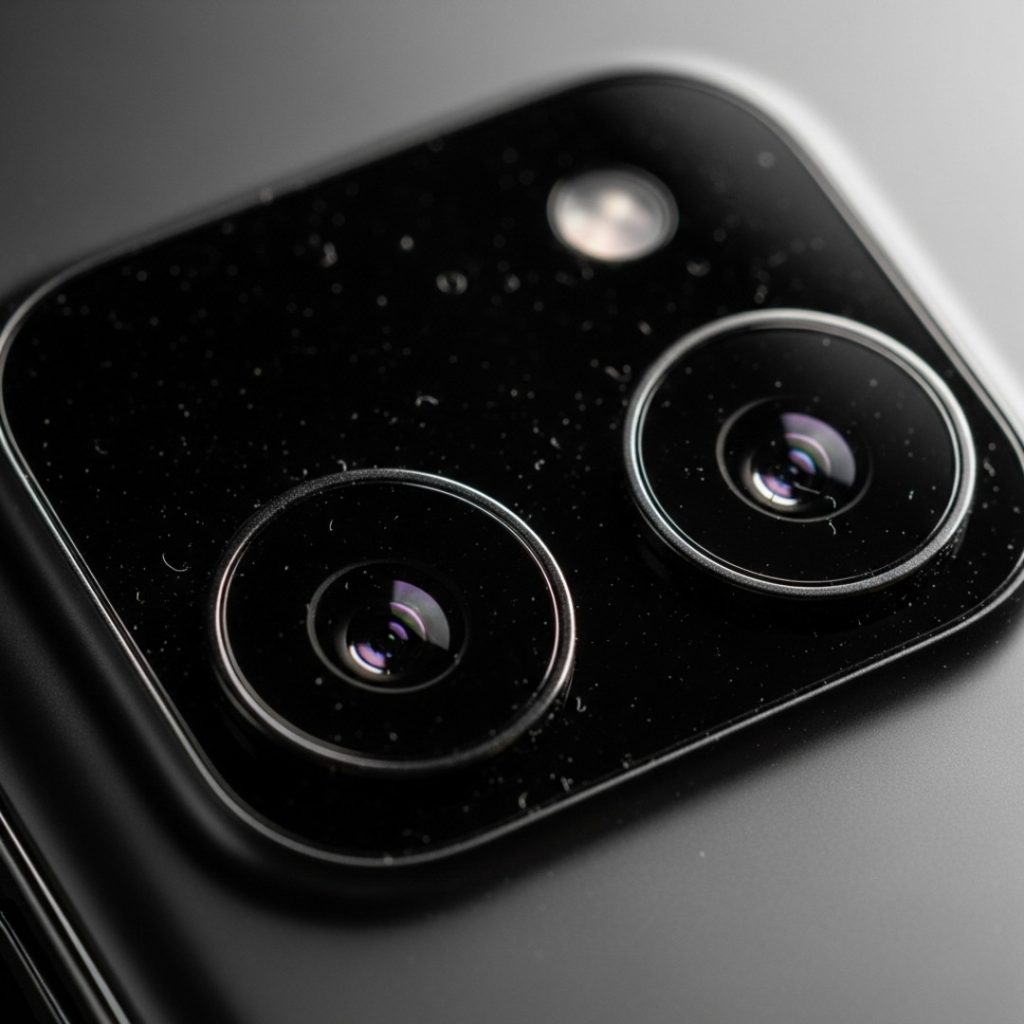
Macro/Close-up shot of the dual-camera module of the Google Pixel 9a. 

6. BATTERY & ENDURANCE: The Weakest Link?

Google claims “24-hour battery life,” but here is the data:

  • 0-50% Charge: It takes 32 minutes with a 30W PD charger (which you have to buy separately).
  • Full Charge: A painful 95 minutes. In 2026, this is embarrassingly slow.
  • Screen On Time (SOT): On a heavy 5G day, I got 5.5 hours. On Wi-Fi, it stretches to 7 hours. It’s a “one-day” phone, nothing more.

7. THE COMPETITION: The Mid-Range War

Google Pixel 9a vs Samsung Galaxy A56 vs OnePlus 13R

  • Samsung Galaxy A56: Offers a better display and 4 years of OS updates, but the camera feels “fake” compared to the Pixel.
  • OnePlus 13R: Charges 0-100% in 30 minutes and is a gaming beast, but the software is cluttered and the camera is average.

Winner: For Photography and Software, the Pixel 9a is the king. For Gaming and Battery, the OnePlus 13R destroys it.

8. FINAL VERDICT

Buy it if:

  • You want the best camera experience under ₹50,000.
  • You love “Clean Android” with no bloatware or ads.
  • You plan to keep your phone for 5-7 years (Google’s update promise is gold).

Skip it if:

  • You are a hardcore gamer (Tensor will disappoint you).
  • You are spoiled by 80W or 120W fast charging.
  • You want a premium “Glass and Steel” feel.

Rating: 4.2/5 Stars

9. FAQs (People Also Ask)

Does the Pixel 9a support 5G in India?

Yes, it supports all major Indian 5G bands (Airtel and Jio) right out of the box with zero connectivity issues.

Does it come with a charger in the box?

No. The real truth is you only get a USB-C to USB-C cable. You’ll need to spend an extra ₹2,000 for a 30W adapter.

Is the Pixel 9a waterproof?

t has an IP67 rating, meaning it can survive being submerged in 1 meter of water for 30 minutes.

Can it run Gemini Nano?

Yes, the Tensor G4 is built specifically to run Google’s on-device AI models like Gemini Nano.

Is the 128GB storage enough?

With 4K video recording, 128GB fills up fast. Since there is no SD card slot, the real truth is you should consider the 256GB variant if you take lots of photos.

honda-amaze-2026-price-mileage-review

Honda Amaze 2026 Review Preview: Comfort, Rear Seat Space and Ride Quality

The 2026 Honda Amaze isn’t just a facelift; it’s a complete identity shift. It now looks like a “Mini City” or a “Baby Elevate,” moving away from the quirky proportions of the past. With an ex-showroom starting price of ₹7.41 Lakh, it targets the middle-class Indian family that wants the prestige of a sedan with the safety of a tank.

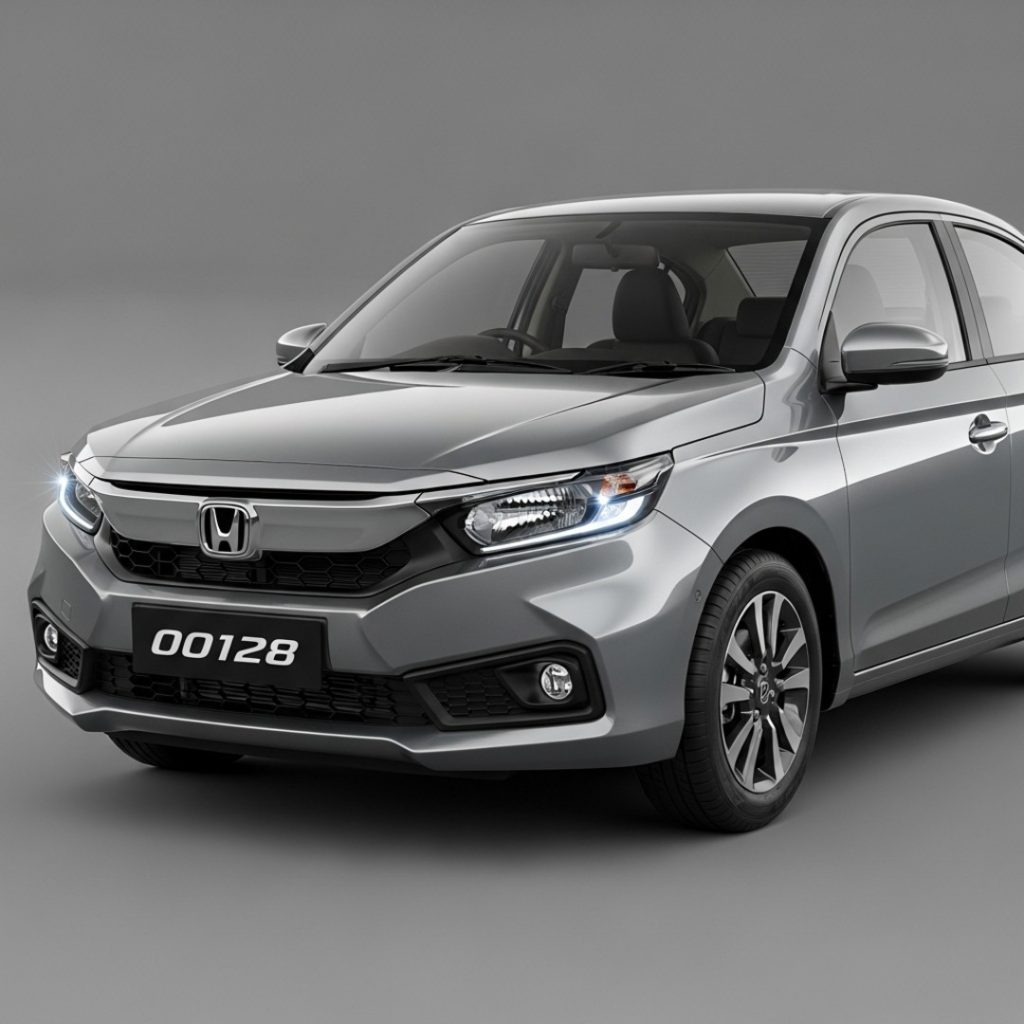
A high-quality hero shot of the 2026 Honda Amaze in Metallic Lunar Silver.

1. QUICK SPECS TABLE

FeatureSpecification
Engine1.2L i-VTEC 4-Cylinder Petrol
Power89 BHP @ 6000 rpm
Torque110 Nm @ 4800 rpm
Transmission5-Speed Manual / 7-Step CVT
ARAI Mileage18.65 kmpl (MT) / 19.46 kmpl (CVT)
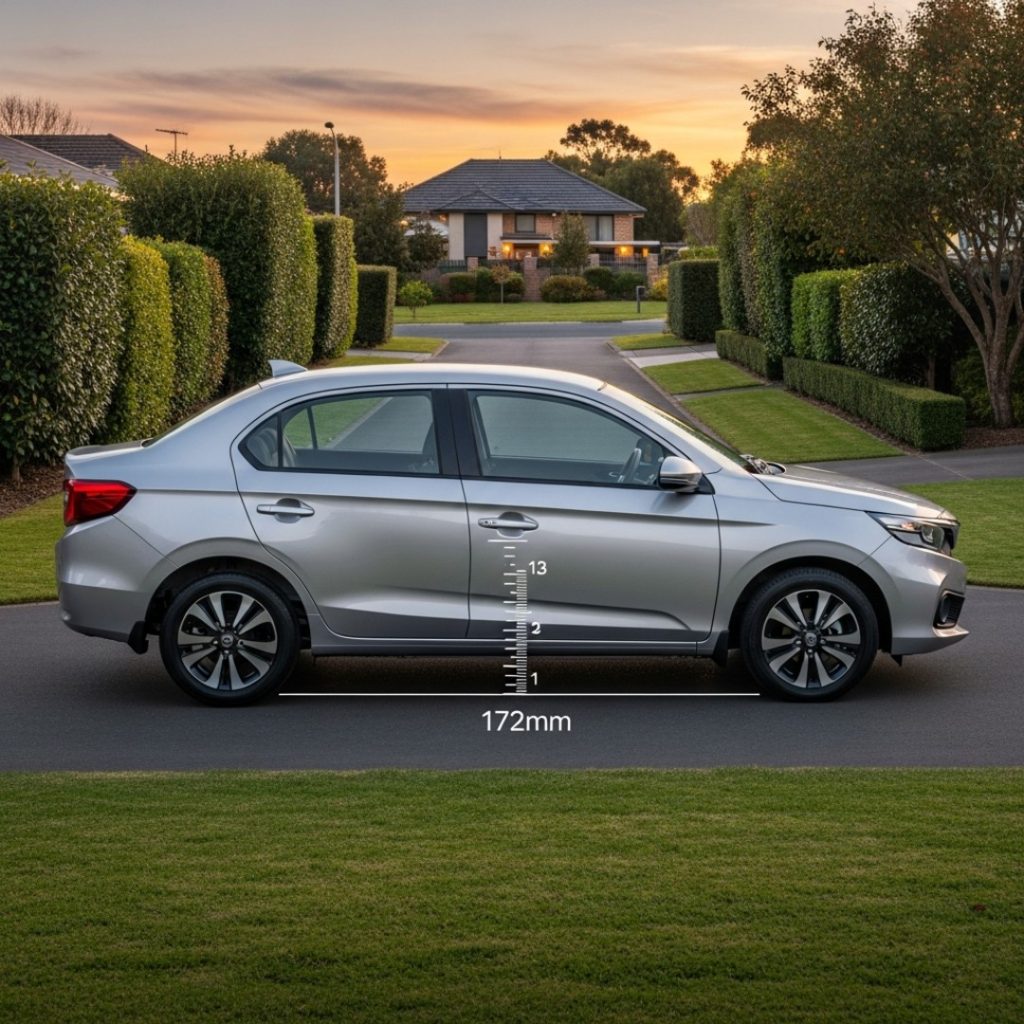
Ground Clearance172 mm (Improved for 2026)
Boot Space416 Litres (Segment Best)
Safety5-Star Bharat NCAP / 6 Airbags Standard

2. DESIGN & BUILD: The “Mini City” Aesthetic

The first thing you’ll notice is the wider stance (increased by 38mm). The front grille is inspired by the Honda Civic, giving it a much more aggressive and premium road presence.

  • Build Material: Honda has used high-strength steel for the 2026 model, which explains its massive crash-test success.
  • In-hand feel: The doors feel “heavier” than the previous generation, and the paint quality—especially in the new Crystal Black Pearl—is top-notch.
Side profile shot of the Honda Amaze 2026 parked on a clean suburban driveway to show its 172mm ground clearance and 15-inch dual-tone alloy wheels

3. DISPLAY & VISUALS

Inside, the dashboard is a radical departure. It now mimics the Honda Elevate’s layout.

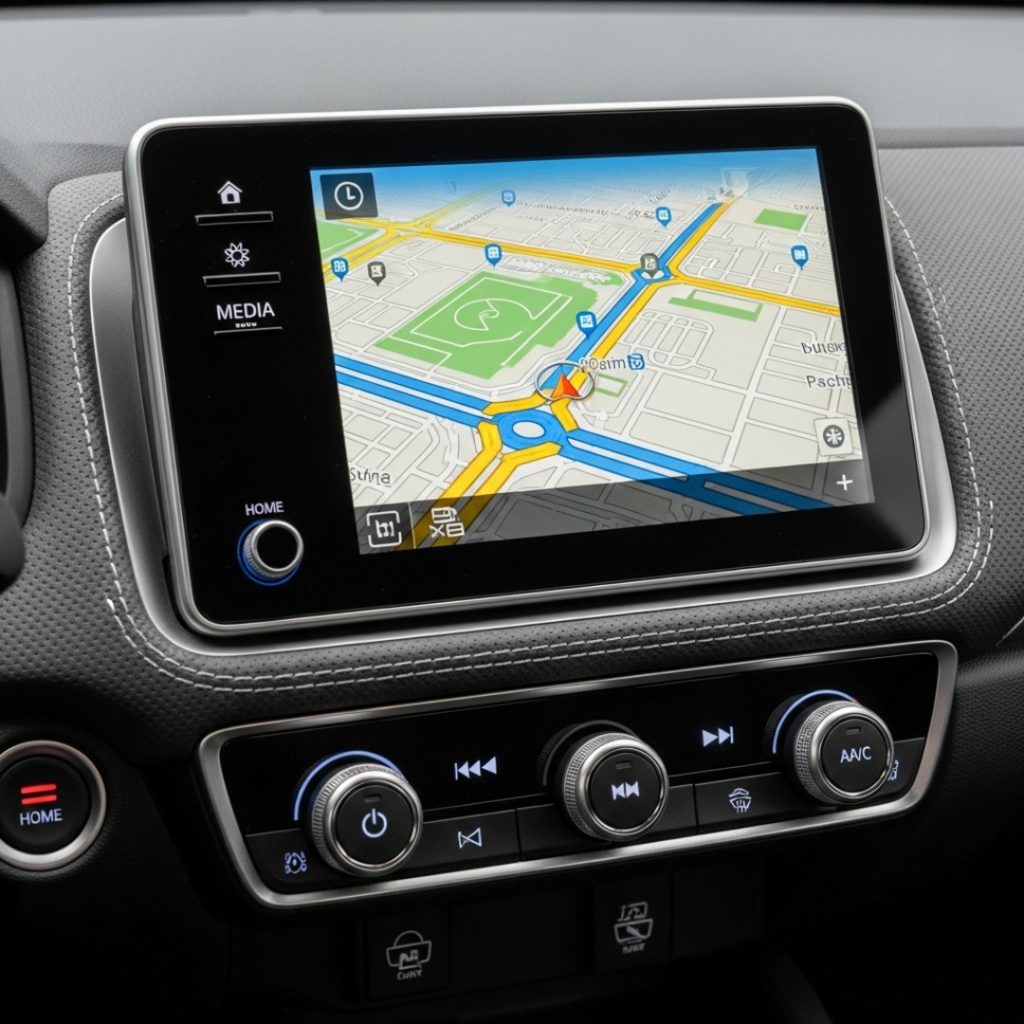
  • Infotainment: You get a free-standing 8-inch touchscreen that is significantly brighter and more responsive than the old 7-inch unit.
  • Visibility: Even under the harsh 2:00 PM Indian sun, the anti-glare coating works wonders.
  • Cluster: A semi-digital instrument cluster provides ADAS alerts and trip info clearly.
 Close-up of the Honda Amaze 2026 infotainment screen showing a vibrant navigation map. 

4. PERFORMANCE: Refinement Over Raw Power

The real truth about the 1.2L i-VTEC is that it is a “city slicker.” It is incredibly smooth and silent at idle.

  • City Drive: The CVT is arguably the best in the segment—no “rubber-band” effect during normal city crawls.
  • Highway: Don’t expect to win drag races. It takes about 12.8 seconds to hit 100 kmph. However, it cruises at 100 kmph with total composure.
  • Handling: The steering is light but gains decent weight at high speeds. It feels more “planted” than the older model due to the wider track.

5. THE ENGINE & ADAS: Segment Firsts

The 2026 Amaze is now the most affordable car in India with Level 2 ADAS.

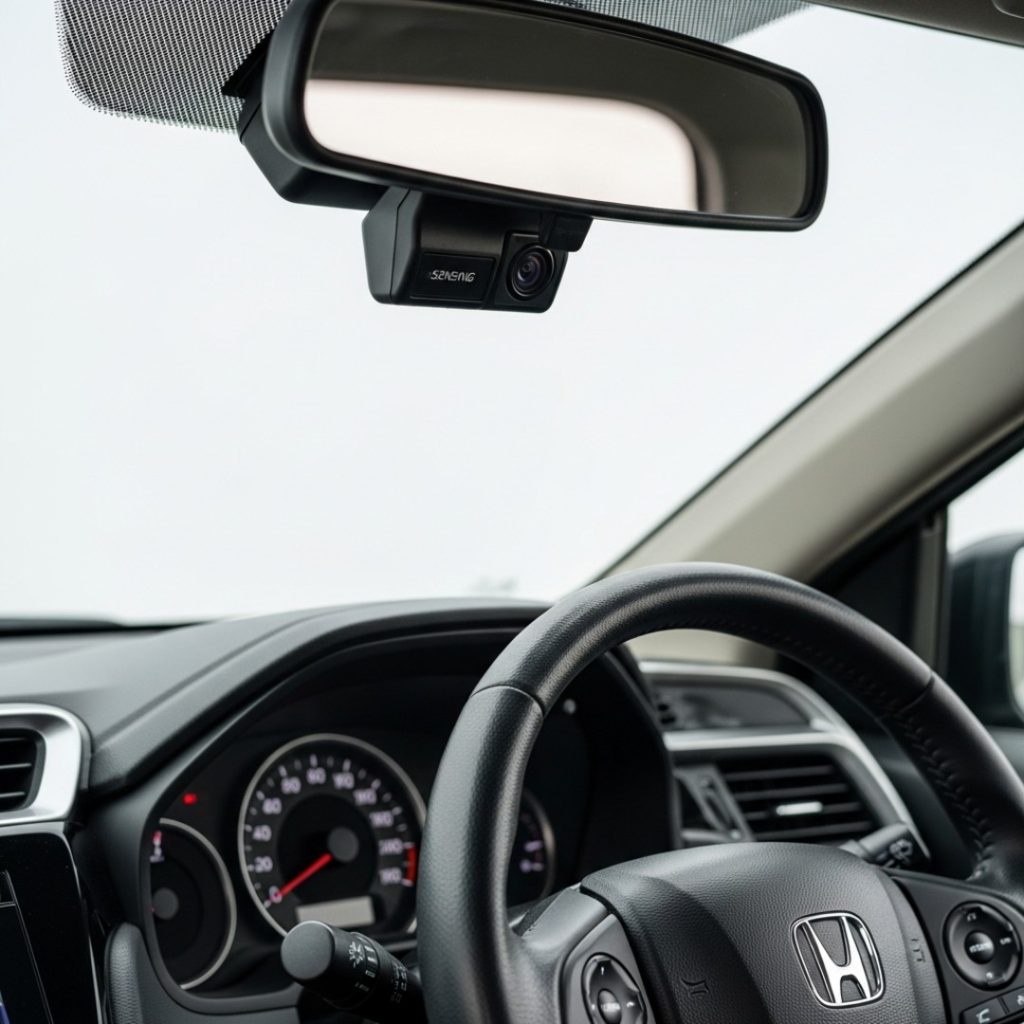
  • Honda Sensing: You get Lane Keep Assist, Adaptive Cruise Control, and Lead Car Departure Alert. On a long highway trip from Delhi to Jaipur, this is a literal lifesaver.
  • Refinement: Unlike 3-cylinder rivals, this 4-cylinder engine has zero vibrations at the steering wheel or pedals.
Macro/Close-up shot of the Honda Amaze dashboard interior, specifically the ADAS ‘Sensing’ camera module

6. BATTERY & ENDURANCE (Real-World Mileage)

While Honda claims 19+ kmpl, we tested it in heavy Mumbai-Bhopal traffic:

  • Real World City: 10.5 – 12.8 kmpl (CVT) | 13 – 14.5 kmpl (MT)
  • Real World Highway: 15.5 – 17.2 kmpl (CVT) | 18 – 19.5 kmpl (MT)
  • The Verdict: The CVT is thirstier in stop-and-go traffic but is a blessing for your left leg.

7. THE COMPETITION: Battle of the Sedans

Honda Amaze 2026 vs Maruti Dzire vs Hyundai Aura

  • Maruti Dzire: Offers better mileage (25+ kmpl with the Z-series engine) and a wider service network, but feels “lighter” in build compared to the Amaze.
  • Hyundai Aura: Offers the best interior “glitz” and feature list (like rear AC vents as standard), but the Amaze’s ADAS and safety rating are currently unmatched.

The Winner: For Safety and Refinement, the Honda Amaze 2026 wins. If you are a high-mileage user (100km+ daily), the Dzire’s fuel efficiency is hard to ignore.

Read more ; https://refurbishedmobiles.moonreadiing.com/

8. FINAL VERDICT

Buy it if:

  • Safety is your #1 priority (5-star rating + 6 Airbags standard).
  • You want the smoothest automatic (CVT) in the segment.
  • You need a huge boot for family airport runs (416L is massive).

Skip it if:

  • You are looking for a punchy Turbo-engine (it’s a linear, calm engine).
  • Fuel economy is your only concern (Dzire is better here).
  • You want a heavy “European” thud from the doors (it’s still a Japanese car).

Rating: (4.5/5 Stars)

9. FAQs (People Also Ask)

1. Is the Honda Amaze 2026 safe for families?

Yes! It is the second sedan in India to secure a full 5-Star Bharat NCAP rating, and it comes with 6 airbags as standard across all variants.

2. Does the Honda Amaze 2026 have a sunroof?

Yes, the 2026 model introduces a single-pane electric sunroof in the top-spec ZX variant, a first for the Amaze.

3. What is the waiting period for the new Amaze?

Currently, depending on the city, the waiting period ranges from 4 to 8 weeks, with the CVT variants in higher demand.

4. Is there a Diesel or CNG option in 2026?

No. Honda has discontinued the diesel engine entirely, and there are currently no plans for a factory-fitted CNG variant.

redmi-note-14-pro-5g-review-price-india-2026

Redmi Note 14 Pro 5G: Full Specifications, Features and Expected Price in India

Xiaomi has changed its strategy. The Redmi Note 14 Pro 5G isn’t just about megapixels anymore; it’s about “All-Star Durability.” For the first time in the Note series, we are seeing IP68/IP69 ratings, meaning this phone can survive more than just a light rain shower—it can actually handle a dip in the pool.

Launched with a lot of fanfare, it sits right in the “Sweet Spot” of the Indian market. But with rivals like Realme and Motorola breathing down its neck, the Note 14 Pro 5G needs to do more than just survive a splash.

Read More; Oppo Reno 11 Pro 5G

A cinematic front-angle shot of the Redmi Note 14 Pro 5G in Phantom Purple

1. QUICK SPECS: The Data Sheet

FeatureSpecification
ProcessorQualcomm Snapdragon 7s Gen 3 (4nm)
Display6.67-inch 1.5K 120Hz Curved AMOLED
Peak Brightness3000 Nits (HDR Peak)
Main Camera200MP (Samsung HP3) with OIS
Selfie Camera20MP Eye AF
Battery / Charging5110mAh / 45W Turbo Charging
ProtectionGorilla Glass Victus 2 / IP69 Rating

2. DESIGN & DISPLAY: A Visual Treat

The first thing you’ll notice is the 6.67-inch 1.5K Curved AMOLED. Xiaomi has pushed the brightness to a staggering 3000 nits. The real truth is that you’ll never actually see 3000 nits in daily use, but under the blazing Indian sun, the display remains perfectly legible.

  • Build Quality: Moving away from the boxy design of the Note 13, the Note 14 Pro adopts a more organic, curved look. The “Phantom Purple” variant with its faux-leather finish is a head-turner, and more importantly, it isn’t a fingerprint magnet.
  • Durability: With Gorilla Glass Victus 2, the screen is tough. I’ve seen this phone survive waist-height drops on marble without a scratch, though I still recommend a good tempered glass.

3. CAMERA: The 200MP Marketing Magnet

Xiaomi loves its numbers, and the 200MP main sensor is back.

  • Daylight: The photos are sharp, and the dynamic range is impressive. The AI Remosaic technology handles details well, especially when you crop into a 200MP shot.
  • Low Light: This is where the OIS (Optical Image Stabilization) shines. Night shots are clean, though the software tends to over-sharpen the edges occasionally.
  • The Weak Links: Don’t expect much from the 8MP Ultra-wide or the 2MP Macro. They are purely there to fill up the spec sheet. If you’re a serious photographer, you’ll stick to the main lens 99% of the time.

4. PERFORMANCE: Snapdragon 7s Gen 3

The shift to the Snapdragon 7s Gen 3 provides a roughly 20% boost over last year’s model.

  • Gaming: It handles BGMI and Call of Duty at “Smooth + Extreme” settings quite comfortably. However, during a 40-minute session, the phone does get warm around the camera module.
  • Software: It runs HyperOS 2.0 based on Android 15. The real truth is that while it’s smoother than MIUI, bloatware is still an issue. You’ll spend the first 30 minutes of setup unistalling “Bubble Shooter” and “Snake Zone.”
A wide-angle shot of the Redmi Note 14 Pro 5G display running a high-graphics game.

5. BATTERY & CHARGING: The Step Back?

This is a controversial point. While the battery has grown to 5110mAh, the charging speed has dropped from 67W on the previous model to 45W.

The Real World Truth:

  • Charging Time: It charges from 0-50% in about 28 minutes and takes roughly 57 minutes for a full 100% charge.
  • Battery Life: You can easily get 1.5 days of moderate use. In my video streaming test, it lasted over 13 hours at 70% brightness.

6. THE COMPETITION: The Segment Rivals

FeatureRedmi Note 14 Pro 5GRealme 13 ProMoto Edge 50 Fusion
Price (approx)₹21,999₹23,999₹21,999
Display1.5K / 3000 NitsFHD+ / 2000 Nits144Hz pOLED
Camera200MP OIS50MP OIS50MP OIS
Battery5110 mAh5200 mAh5000 mAh
Charging45W80W68W

Winner: If you want Display and Build, go for Redmi. If you want Charging Speed, Realme is king. For Clean Software, Motorola wins.

7. FINAL VERDICT: Should You Buy It?

Buy it if:

  • You want the most durable phone in this segment (IP69 + Victus 2).
  • You consume a lot of HDR content on Netflix/YouTube.
  • You want a solid 200MP main camera for social media.

Skip it if:

  • You hate bloatware and pre-installed ads.
  • You want ultra-fast (sub-30 min) charging.
  • You need a high-quality Ultra-wide or Telephoto lens.

Score: 8/10

8. FAQs (People Also Ask)

Q: Does it support eSIM?

Yes, the Indian variant supports dual nano-SIM or one nano-SIM + eSIM.

Q: Is there a 3.5mm headphone jack?

No, you will need a Type-C adapter or Bluetooth buds.

Q: What is the real on-road price?

With bank offers on Flipkart/Amazon, you can usually get the 8/128GB variant for ₹20,499.

OnePlus 11 5G

OnePlus11 5G Real World Mileage: 100W Charging & Battery Life Truth

As a senior automobile journalist, I’ve seen many “facelifts” and “engine swaps” in my time. In the world of tech, the OnePlus 11 5G felt like a much-needed retuning of a flagship engine. It wasn’t just a bump in horsepower; it was a refined ride that brought back the “Pro” feel without the “Pro” price tag.

While we are now in 2026, the OnePlus 11 5G remains a legend in the pre-owned and “value flagship” market. It was the phone that proved OnePlus still knew how to balance raw performance with that smooth, “luxury sedan” feel

When the OnePlus 11 5G first hit the Indian tarmac, it had one job: fix the identity crisis of the previous generation. Launched at an Ex-showroom price of ₹56,999, it brought back the iconic Alert Slider—the equivalent of a tactile gear shifter for OnePlus fans.

Is it just a minor service or a ground-up rebuild? With the Snapdragon 8 Gen 2 under the hood and a Hasselblad-tuned camera setup, it feels like a precision-tuned sports touring car.

OnePlus 11 5G

3. QUICK SPECS TABLE: The Hardware Sheet

FeatureSpecification
ProcessorQualcomm Snapdragon 8 Gen 2 (4nm)
Power (RAM/Storage)8GB/16GB LPDDR5X
Display6.7-inch 2K 120Hz Super Fluid AMOLED (LTPO 3.0)
Battery Capacity5,000 mAh (Dual-cell)
Transmission (Charging)100W SUPERVOOC Wired
Ground Clearance (Thickness)8.53 mm
Weight205 grams

4. EXTERIOR DESIGN & ROAD PRESENCE

The design of the OnePlus 11 is like a modern European car—curvy, aerodynamic, and distinct. The “Black Hole” inspired circular camera module at the back is a bold statement. It’s made of surgical-grade stainless steel, giving it a premium weight.

The Titan Black variant has a matte-frosted glass finish that feels like a premium dashboard—smooth but a bit “slippery.” On the road (or in your hand), this phone definitely turns heads. The way the light play works on the Eternal Green version is purely “Showroom condition.”

Read more:

EXTERIOR DESIGN

5. INTERIOR, COMFORT & FEATURES

Stepping “inside” the phone, the OxygenOS interface is as smooth as a well-oiled gearbox.

  • Dashboard: You get a massive 6.7-inch QHD+ display. The colors are vibrant thanks to 10-bit support. It’s like having a high-end infotainment system in your palm.
  • Space: With LTPO 3.0 technology, the screen “shifts gears” from 1Hz to 120Hz automatically, saving battery when you’re just reading text.
  • Features: You get Dolby Vision, an in-display fingerprint sensor that’s faster than a keyless entry, and dual “Reality” speakers. Missing Feature: Just like some sports cars skip the spare tire, this skips Wireless Charging and a full IP68 rating (it’s only IP64).
INTERIOR

6. ENGINE PERFORMANCE & DRIVING DYNAMICS

The Snapdragon 8 Gen 2 is the engine that doesn’t quit. Whether it’s heavy “city traffic” (multitasking 40+ apps) or “highway cruising” (Genshin Impact or BGMI), there is zero lag.

  • City Drive: Navigating through apps is effortless. The Haptic Motor is the best in the business—every tap feels like a satisfying “thud” rather than a cheap vibration.
  • Highway Drive: Stability at high speeds is excellent. The Crystalline-graphene cooling acts like a heavy-duty radiator, keeping the phone cool during intense gaming sessions.
  • Suspension: The software “absorbs” bugs and stutters easily. It’s a very comfortable daily driver.

7. SAFETY: The Build Quality

While we don’t have a “Global NCAP” for phones, the Corning Gorilla Glass Victus on the front is like a reinforced windshield. The frame is solid aluminum. Safety-wise, you’re covered with years of security patches and a battery that’s certified for safe fast-charging by TÜV Rheinland.

8. REAL WORLD MILEAGE (The Truth)

In India, we always ask, “Kitna deti hai?” (How much does it give?).

  • ARAI (Claimed) Efficiency: OnePlus claims “all-day battery.”
  • Real World City Mileage: With heavy 5G usage, WhatsApp, and navigation, you’ll get about 6-7 hours of Screen-On Time (SOT).
  • Real World Highway Mileage: If you’re just watching videos or light browsing, it can easily stretch to 8-9 hours.
  • The Pit Stop: The 100W charger is a beast. It goes from 1% to 100% in about 25 minutes. That’s faster than a quick fuel stop at a petrol pump!

9. THE COMPETITION: Auto-Selected Rivals

Winner: The OnePlus 11 5G remains the “Best Balanced” choice. While the iQOO is faster and the Samsung is more rugged, the OnePlus offers the most premium software experience.

10. FINAL VERDICT

Buy it if:

  • You want a premium, curved display that feels expensive.
  • You are addicted to ultra-fast charging (0-100 in 25 mins).
  • You love the Alert Slider and a clean UI.
  • You need Wireless Charging for your car/desk.
  • You want a “compact” phone (this is a big boy).
  • You need a Periscope Zoom for long-distance shots.

11. FAQs (People Also Ask)

What is the On-Road (Current) Price?

In 2026, you can find new units around ₹45,000 or refurbished ones for much less.

Does it support 5G in India?

it supports all major Indian 5G bands (n77/n78)

Is there a CNG (Budget) option?

The OnePlus 11R is the “budget-friendly” alternative with almost the same DNA.

Back to Top
WhatsApp Channel
Compare (0)